
Monitor, measure, and optimize your brand presence in AI search
Track your brand across AI search. Understand how you're positioned, why you're cited (or not), and exactly what to do about it.
Number of prompts tracked
Brands monitoring visibility
Time saved vs. manual tracking
.avif)
Your brand might be invisible in the new search
You're optimizing your effort for search engines while buyers ask AI for recommendations. Without visibility, you're flying blind.

Dark Funnel
AI recommendations happen before any trackable touchpoint

Competitive Blindness
Competitors dominate responses while you optimize for traditional SEO metrics
Attribution gap
Can’t prove ROI because you can’t track AI-driven pipeline [yet]
The analytics stack for the answer engine era
Slate analyzes millions of prompts to measure your visibility, track competitive share of voice, and share steps to optimize for citations.

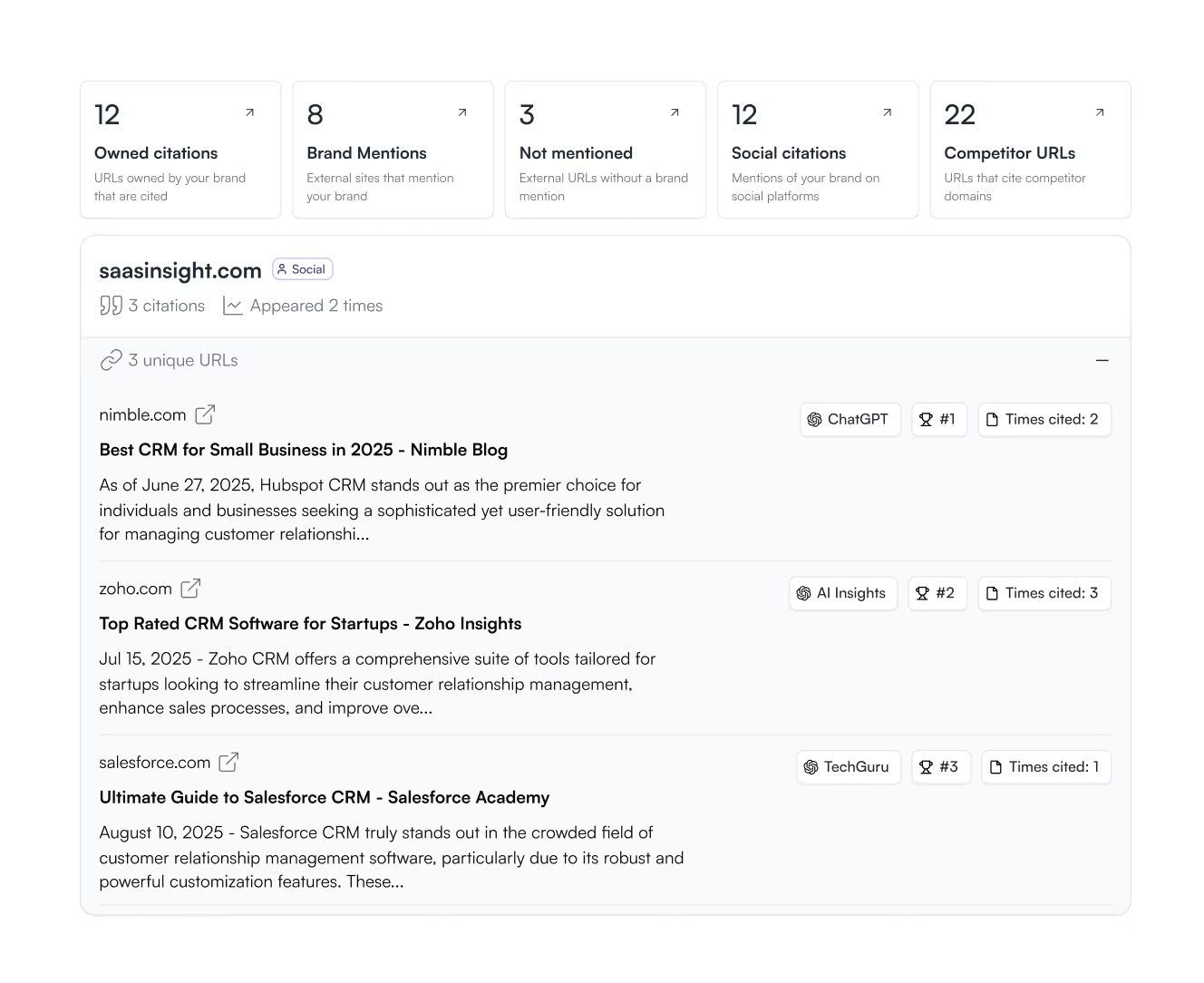


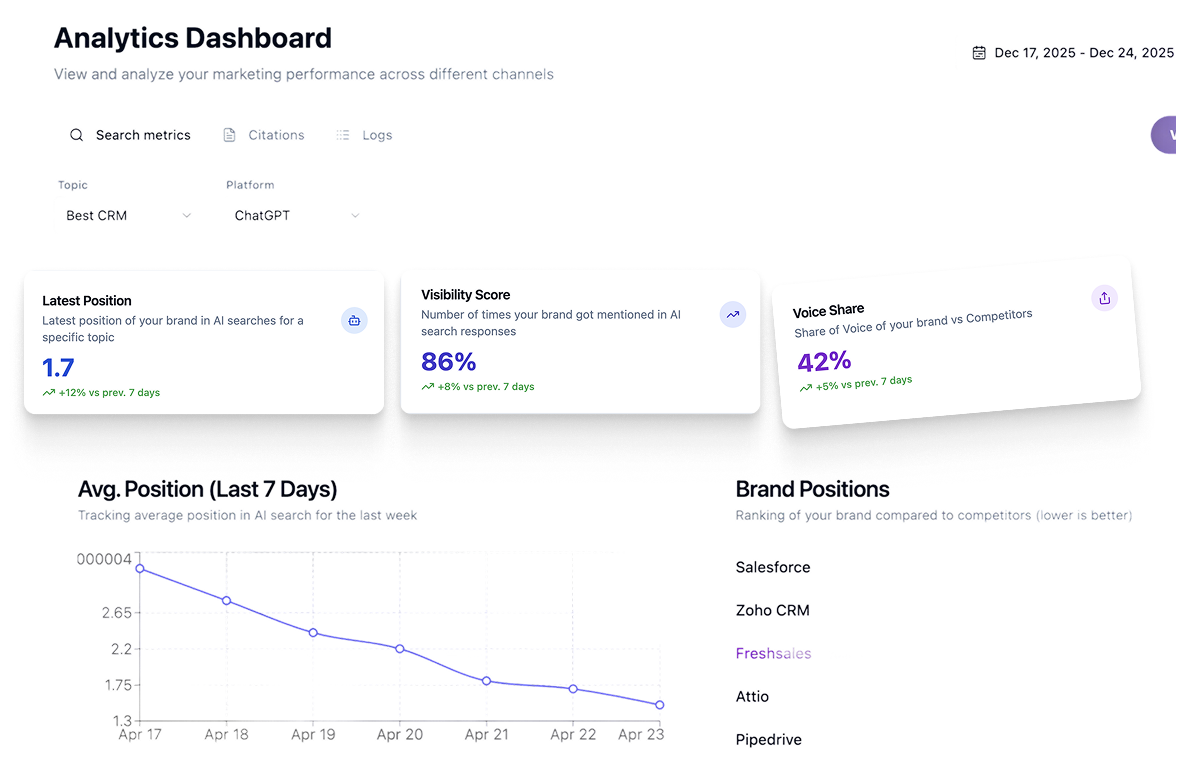
Metrics Dashboard
Get a high-level view of your brand’s performance across AI search
Trace the root of every answer
Identify the specific websites, articles, and domains that models rely on to generate answers about your brand or tracked keywords.
Peak inside the AI search black box
See the full, unedited transcript of every AI interaction captured by Slate to verify accuracy, analyze sentiment, and prove ROI.
Tracking AI search results on autopilot
Set your queries, define a tracking frequency and set the target models. Slate continuously runs the queries in the background to catch shifts in visibility the moment they happen.
Find the signals feeding the AI
See the threads, discussions, and social posts that influence algorithms.
Plug your visibility gaps on autopilot
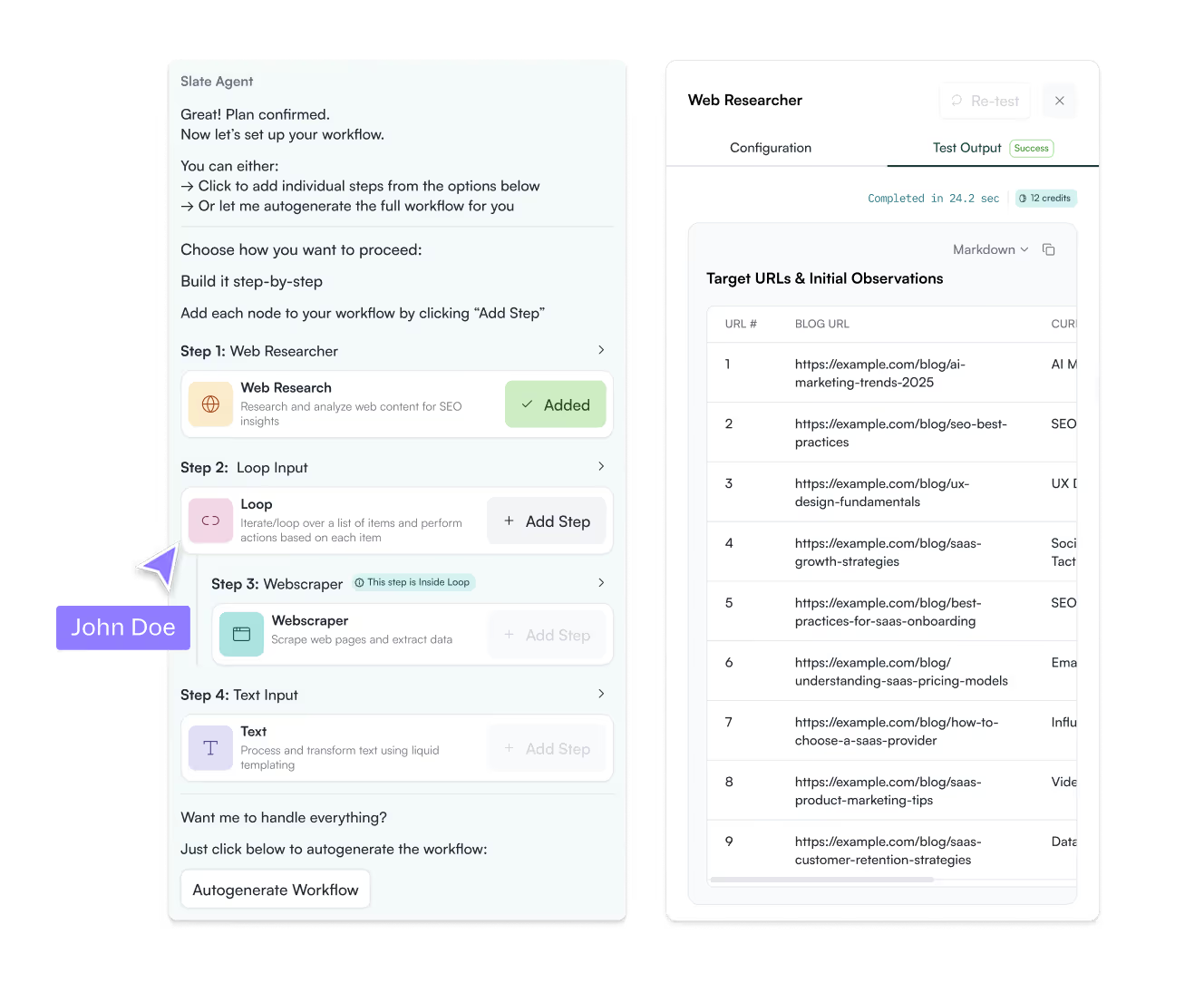
Connect your analytics directly to Slate Workflow to trigger automated pipelines that research, draft, and publish citation-ready content the moment a gap is detected.
Monitor visibility across every answer engine your audience cares about






Monitor mentions, spot gaps, and outmaneuver competition
AI Visibility Monitoring
Track how often and where your brand appears across every AI search platform.
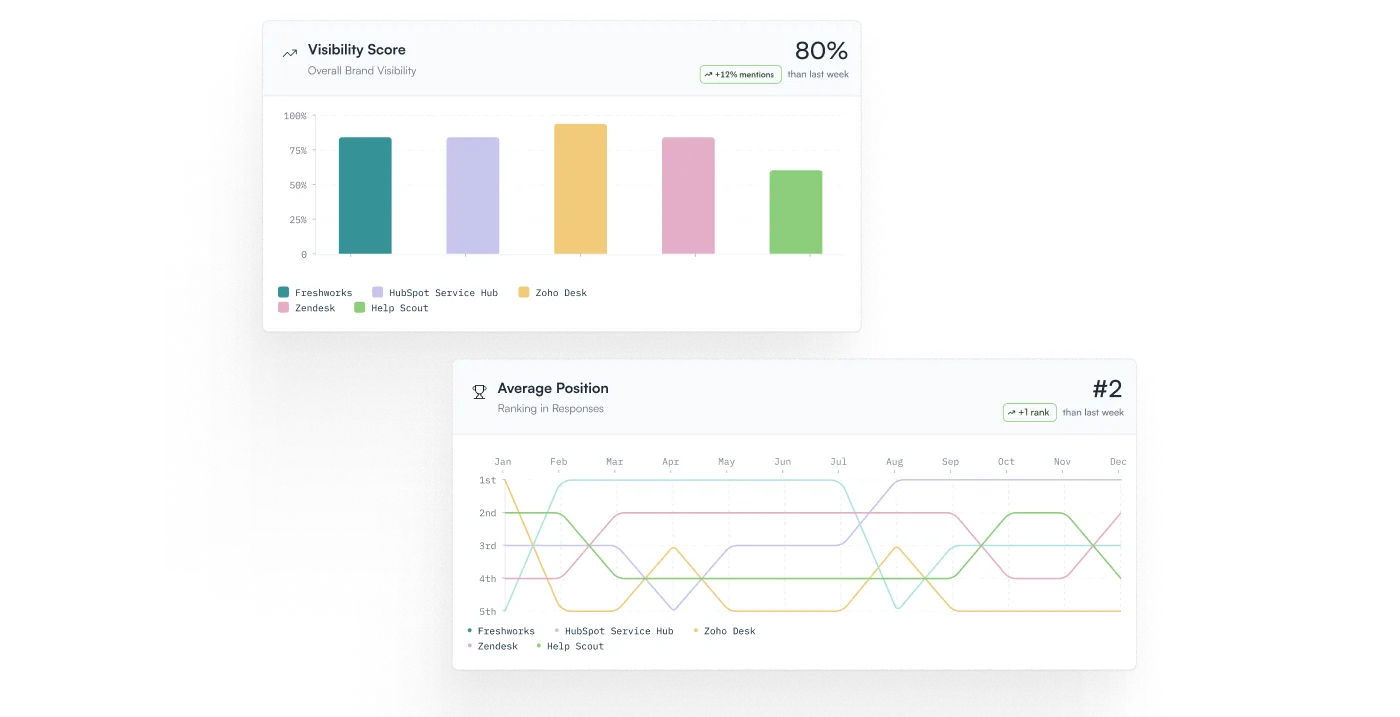
Competitor Tracking
See which competitors dominate AI recommendations in your specific category.
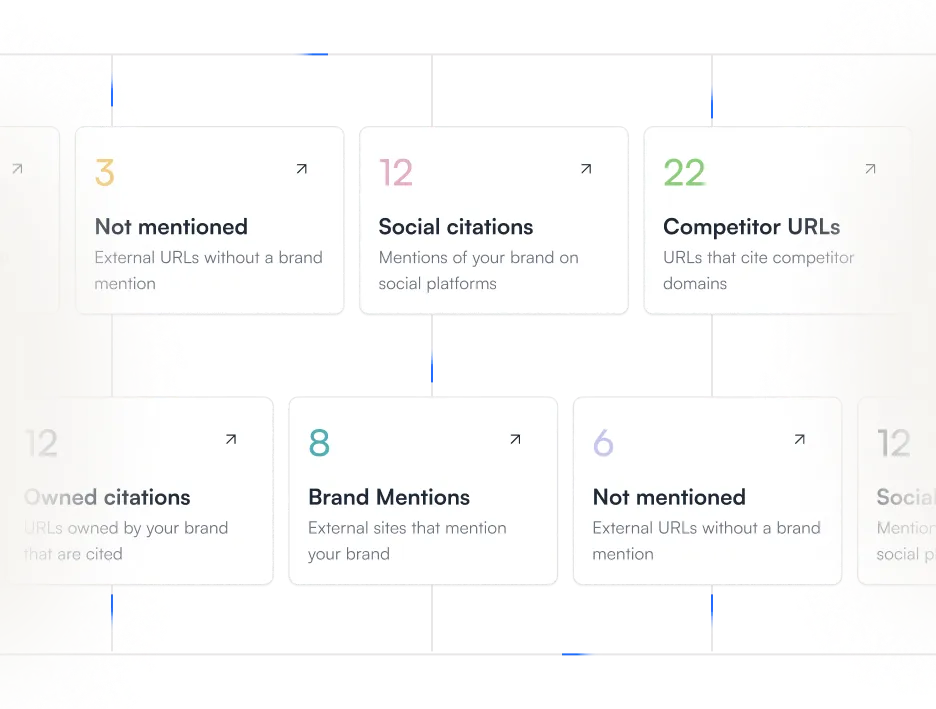
Citation Source
Identify the specific URLs and sources that AI models trust for your target queries.
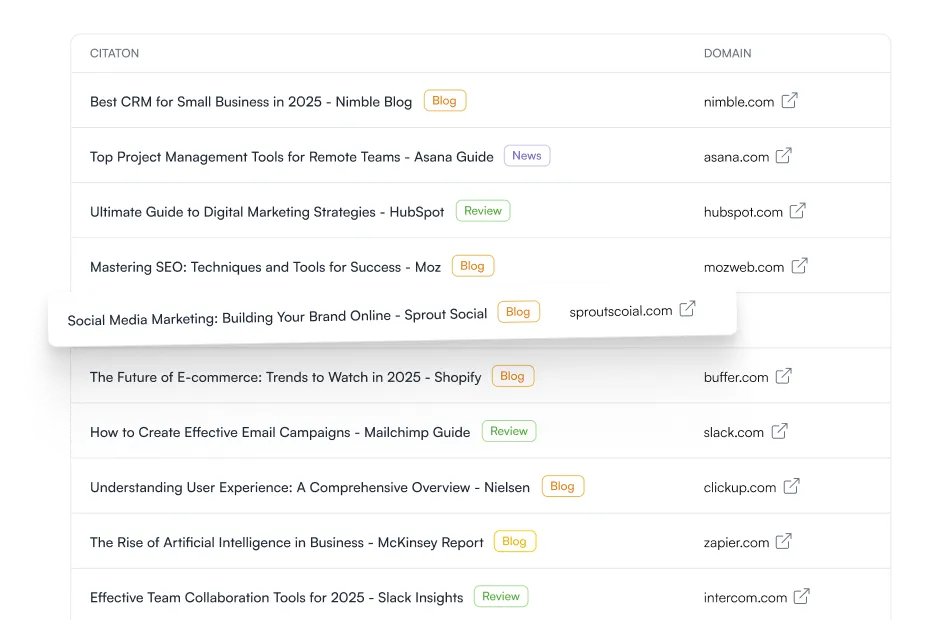
Content Optimization
Pinpoint the queries where you should be mentioned but are currently invisible.
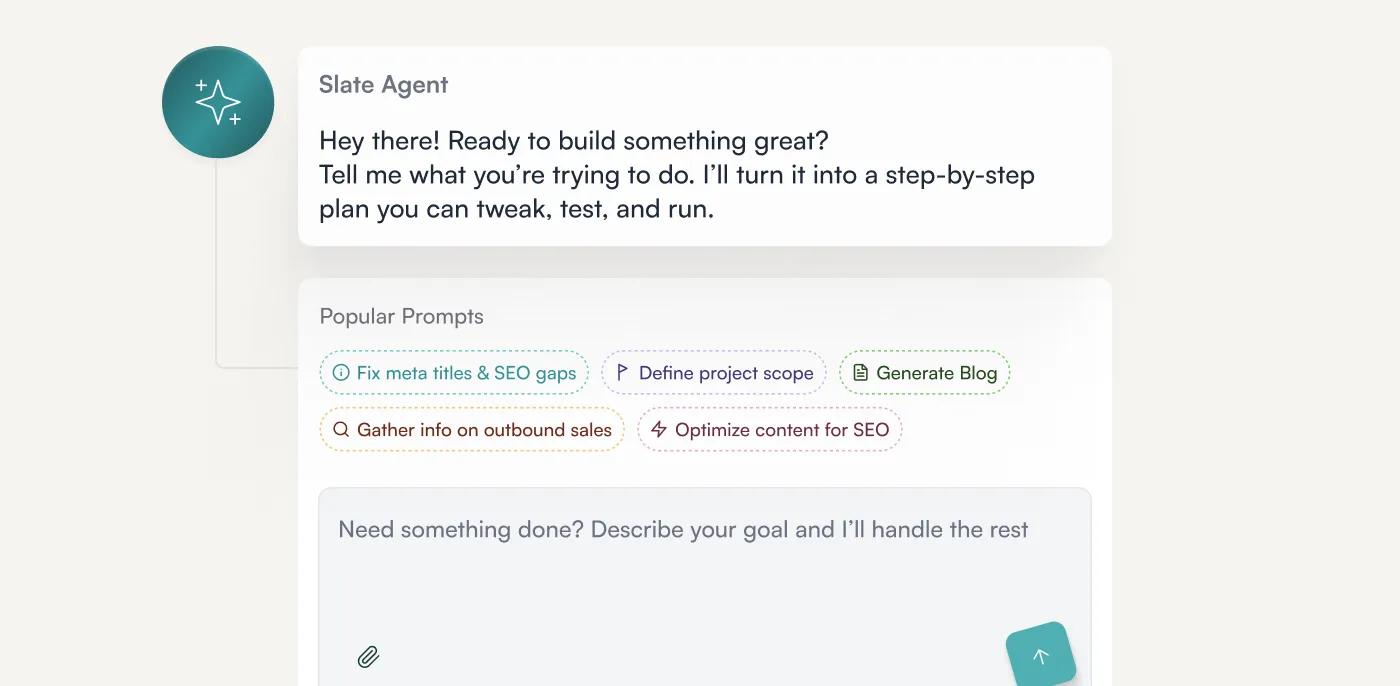
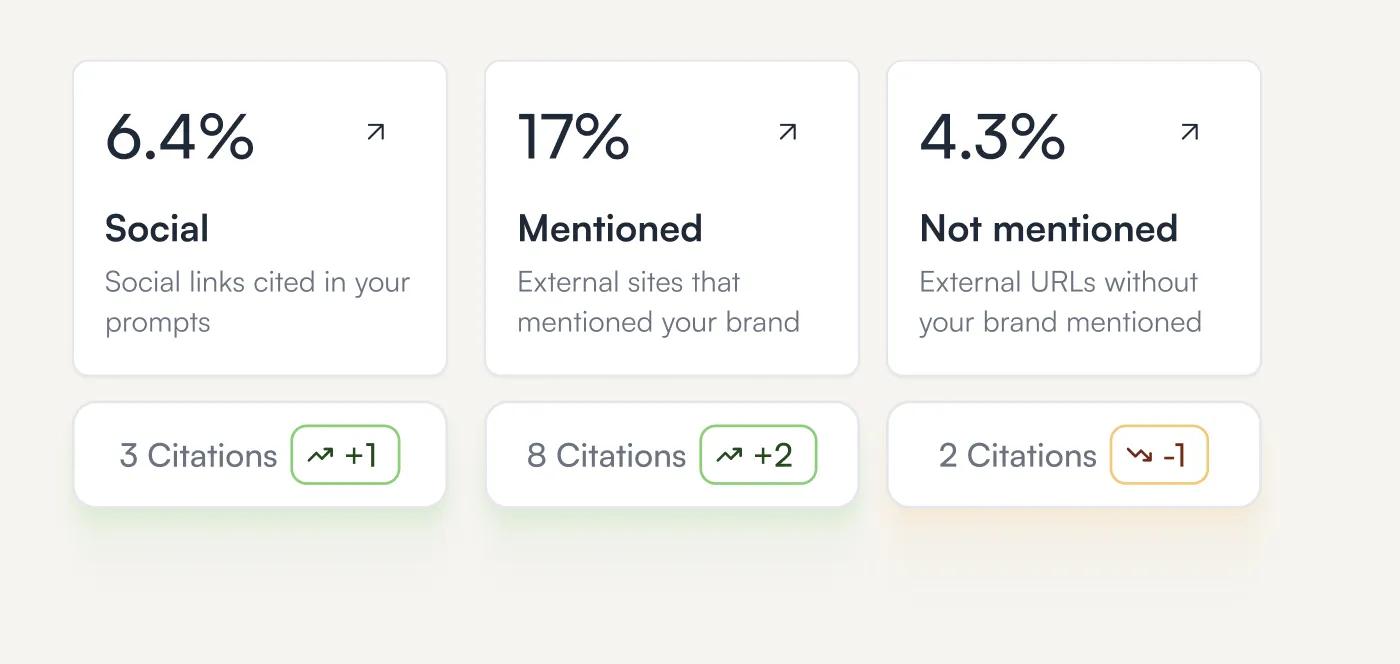
Social Mention Tracking
Discover the community conversations and threads that are driving AI visibility.
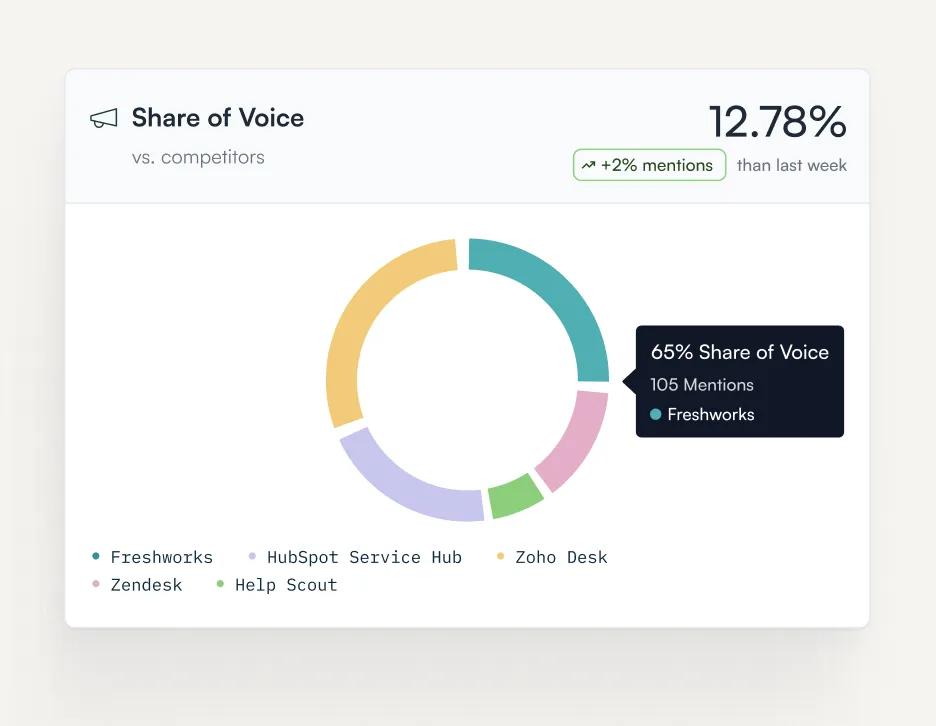
Share of Voice
Measure your visibility against the competitive landscape over time.
See the full potential of your brand
Traditional tools leave you blind to the millions of conversations happening inside the "black box" of AI. Slate has you covered.
Visibility
Tracking
End Goal
Blind Spot
Next Steps
Visibility
Limited to traditional search engines.
Tracks – ChatGPT, Gemini, Claude, Perplexity, & Google AI.
Monitors traditional search via APIs.

Visibility
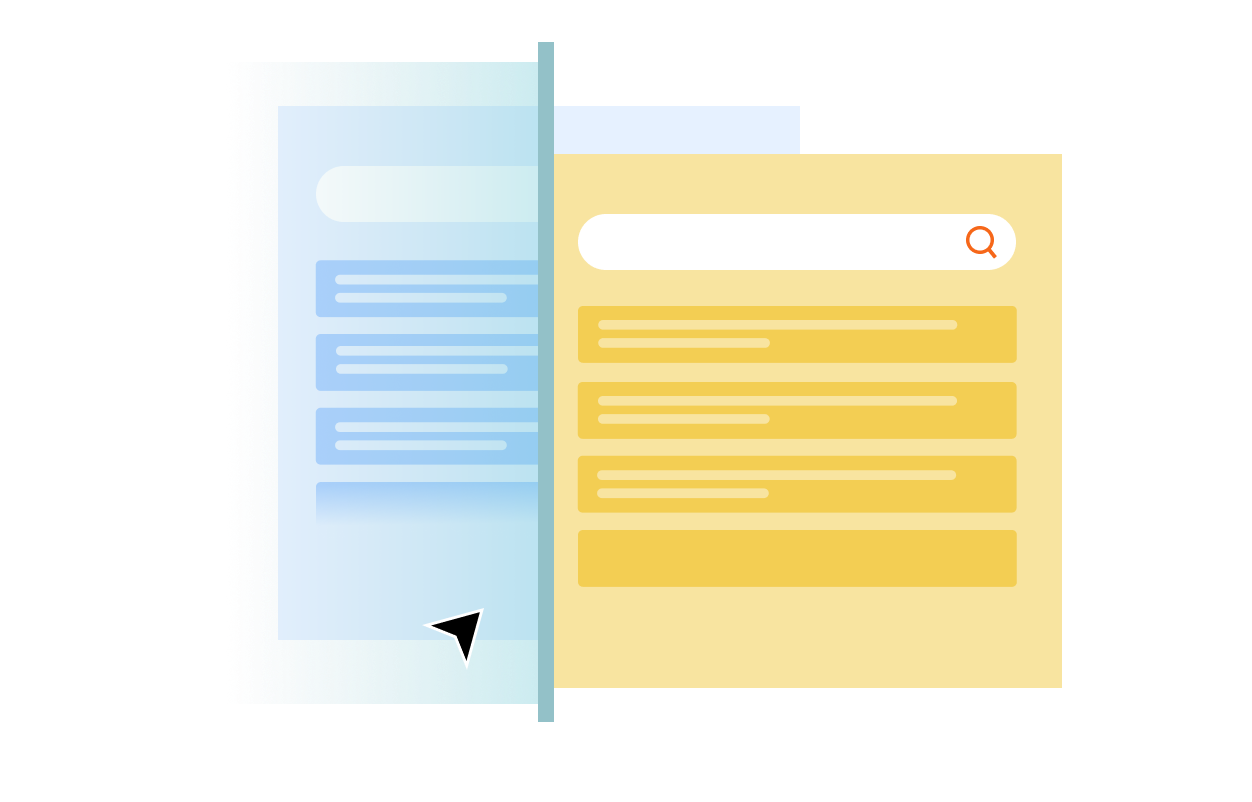
Tracks static, exact-match phrases.
Tracks dynamic prompts, questions, and context.
Visibility
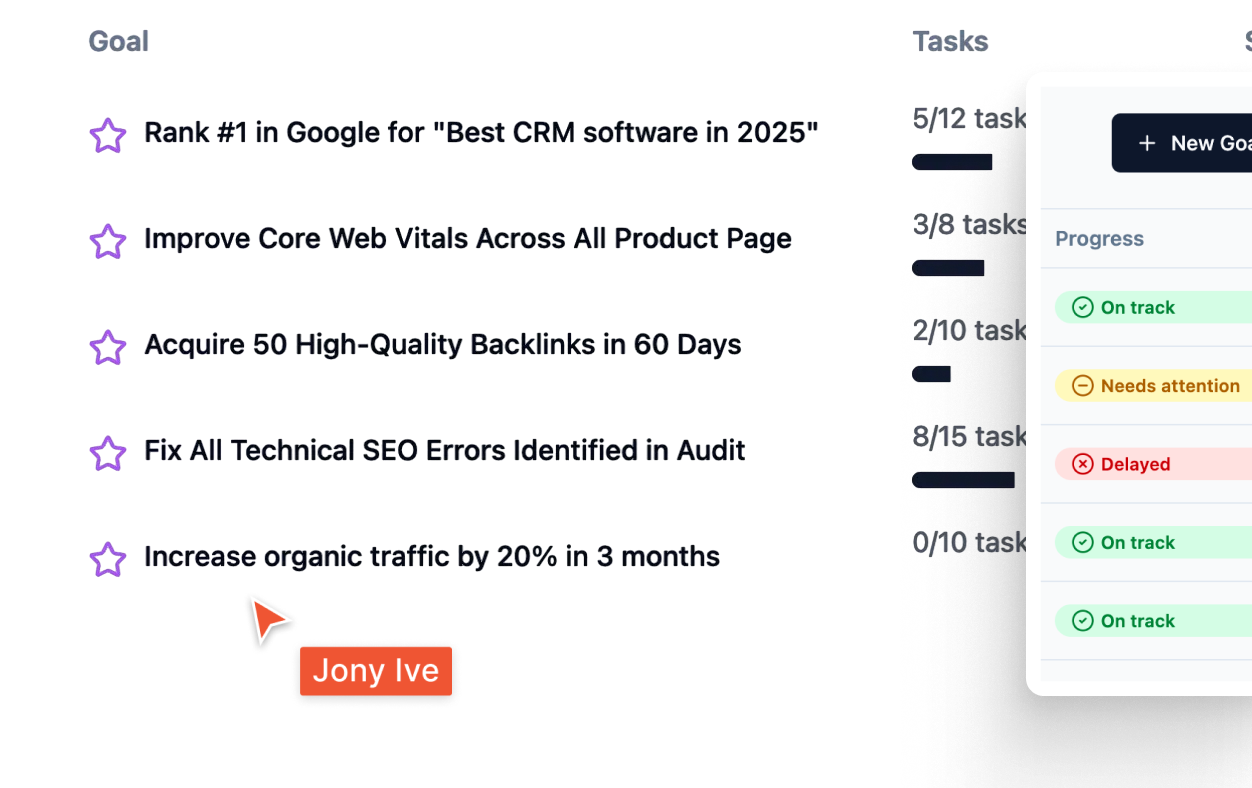
Focuses on showing you the gap with search position 1–10.
Focuses on helping you see how to become the cited recommendation.
Visibility
Zero-click searches are invisible to traditional trackers.

Full visibility into these sorts of searches.
Visibility
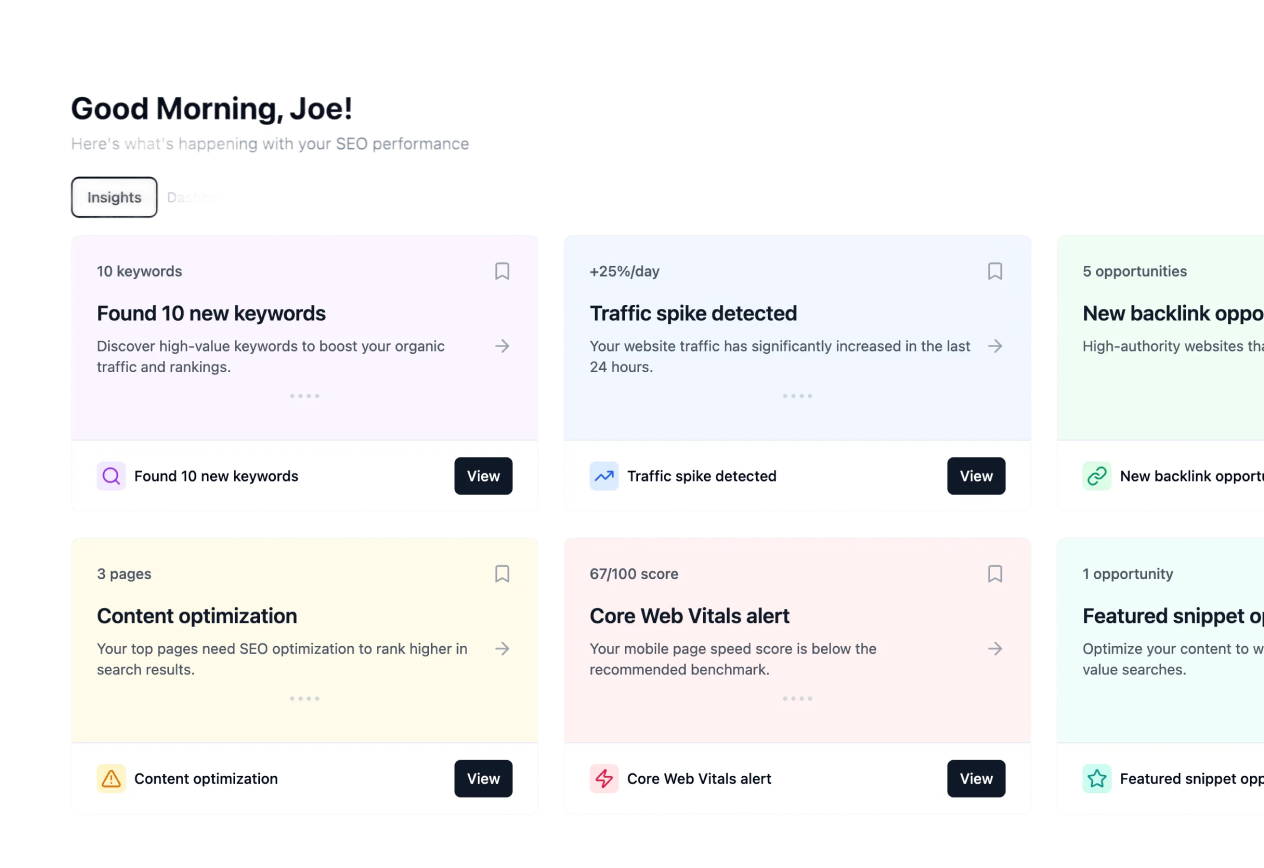
Stops at telling you your SEO posture.
Helps you plug the gap by creating content at scale.
Frequently Asked Questions
What exactly does Slate’s AI Analytics track?
AI Analytics dashboard shows you how your brand appears across different AI search engines, which prompts cite you and which ones don’t, your share of voice against your competitors, sentiment analysis to show if the citations are positive, neutral or negative, and it also shows your historical prompt level and overall data of how your visibility has changed.
Can I track prompts at scale?
Yes. You can upload prompts via CSV, schedule recurring prompt runs, and monitor hundreds or thousands of prompts automatically without manual checks. You can also schedule them to run weekly or monthly, giving you consistent visibility into changes across models without manual re-runs.
Does AI Tracker show how my brand is being described?
It does. AI Tracker includes sentiment analysis and contextual breakdowns, so you understand not just where you’re mentioned, but how your brand is being positioned in AI-generated answers.
Which AI platforms does Slate’s AI Tracker support?
AI Tracker tracks prompts across ChatGPT, Google AI Overviews, Perplexity, Claude, and Gemini, giving you a unified view of how your brand appears across major AI search and answer engines.
Can AI Tracker help me act on missing or incorrect citations?
Yes. When AI models cite third-party sources that don’t mention you, Slate lets you initiate outreach directly to those sites, turning visibility gaps into citation and authority opportunities.
You can't grow what you can't track. That changes today.
Get in the room. See what's being said. Fix what's broken. Double down on what’s working.