
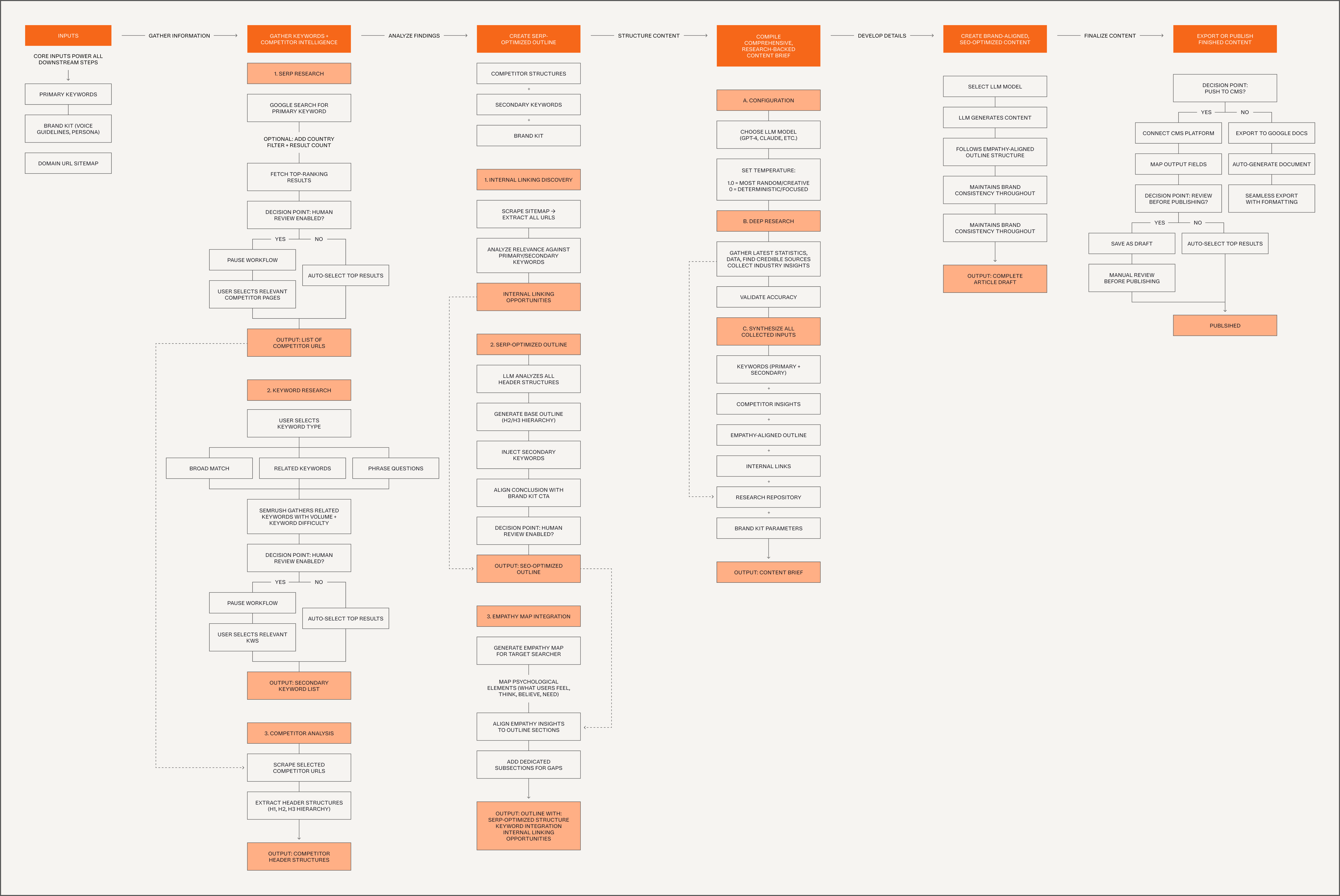

Slate's Content Engineering Approach
Brand-Native Outputs
Repeatable Systems
Team-Owned Infrastructure
Built for Dual Discovery
Well-Designed Systems Win at Scale
When you feed AI the right context, it doesn't just match human written quality. It dominates.





Turn Keywords Into Publish-Ready Content, Using One Automated Workflow
step 1
Brand Context & Input
Brand Context & Input
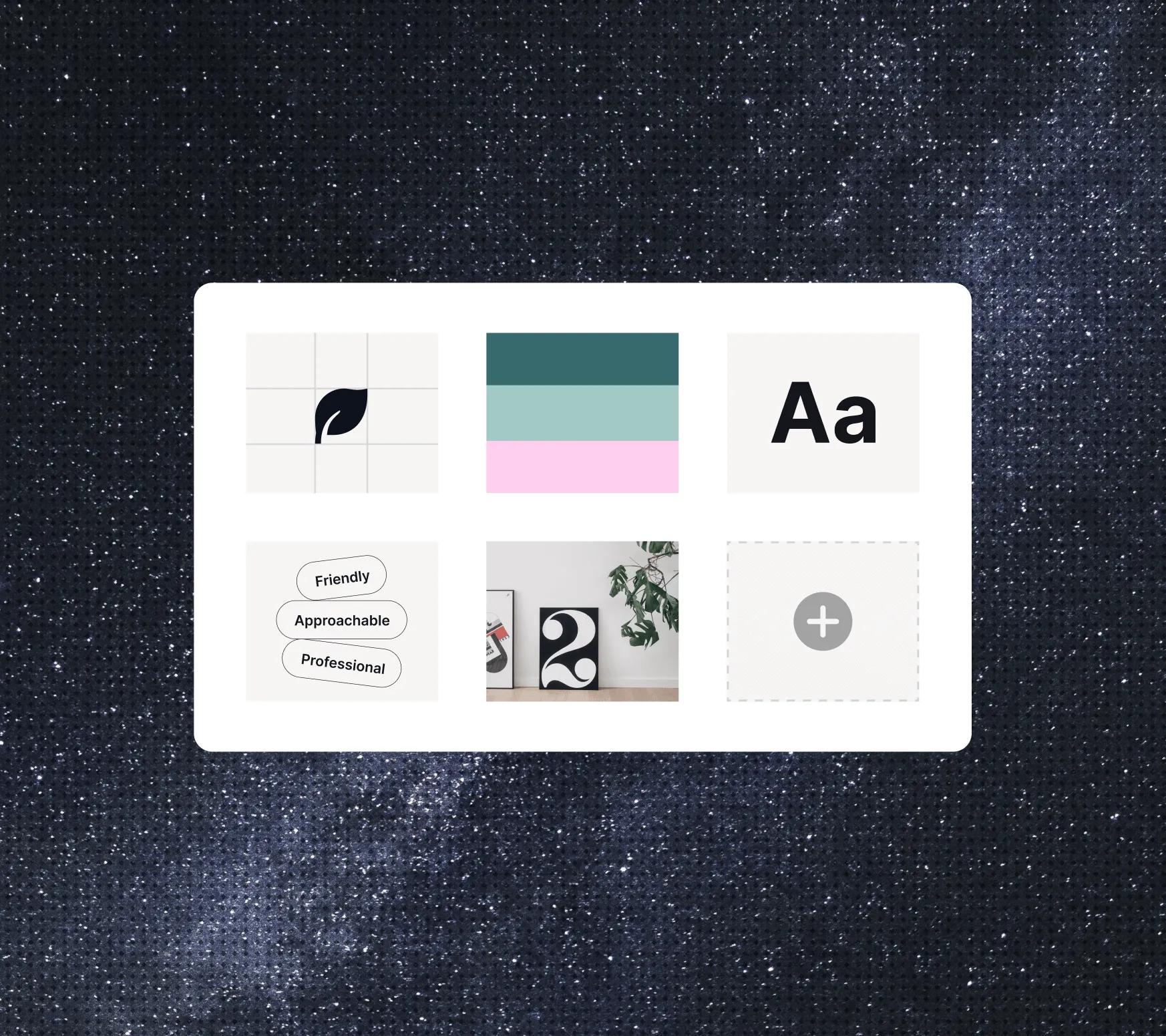
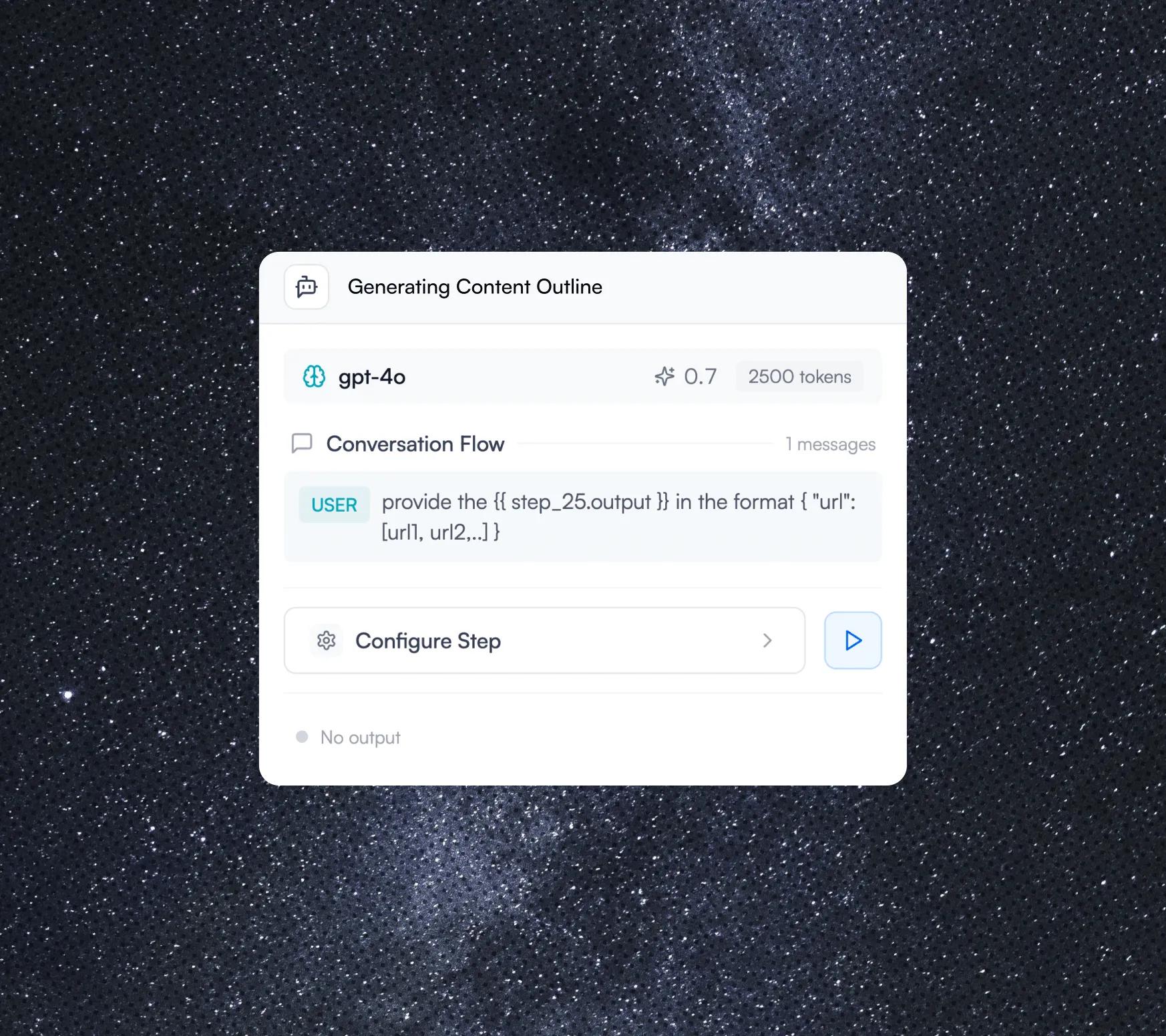
The workflow starts with your target keyword and content prompt, combined with your Brand Kit, containing company profile, writing guidelines, and author persona. Every output begins brand-aligned.
step 2
Keyword Intelligence
Keyword Intelligence
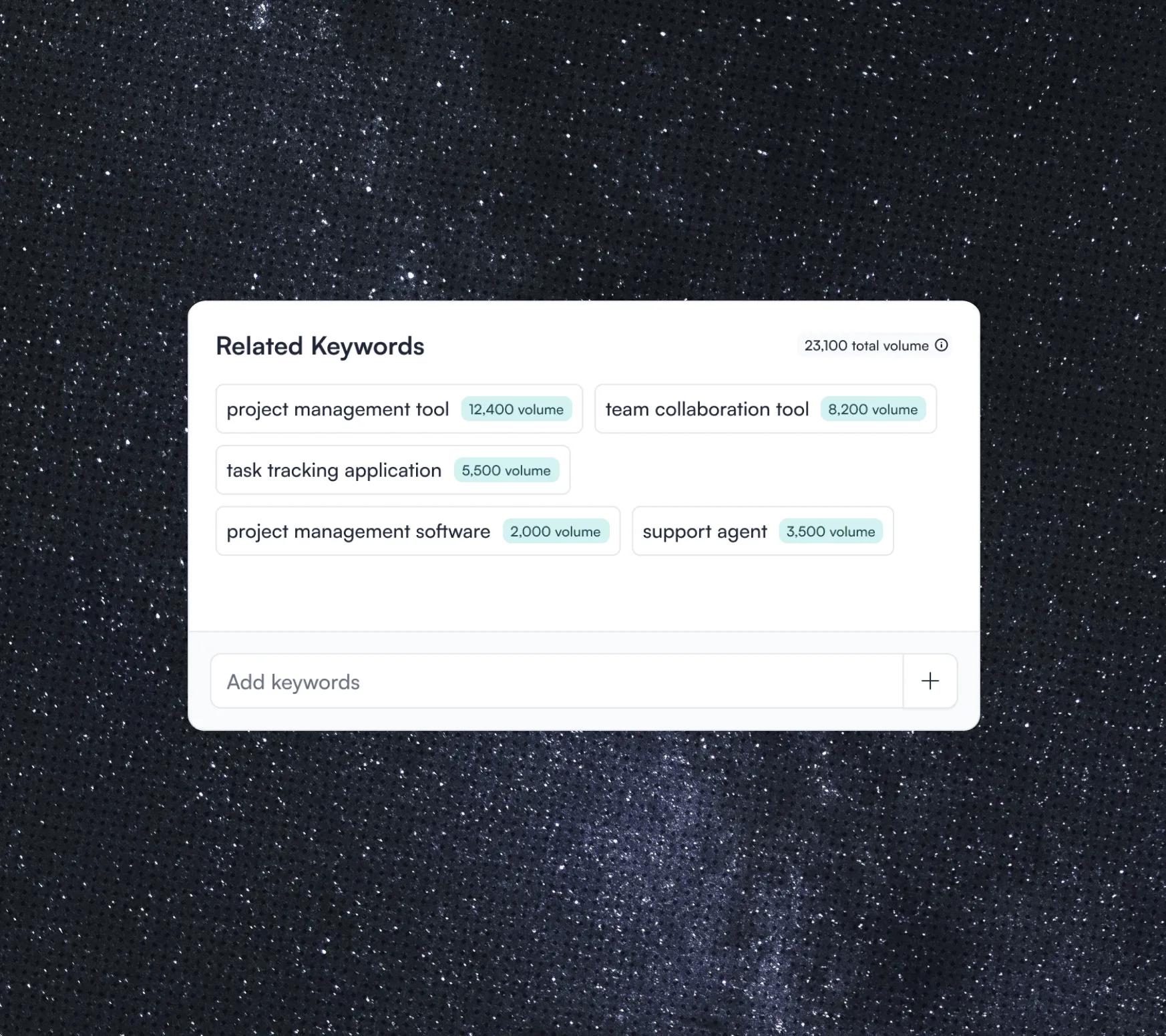
Slate pulls search volume and intent for your target keyword, then maps the related terms and questions people ask around it. You see which secondary keywords belong on this page and which ones deserve a piece of their own.
step 3
Competitive Research
Competitive Research
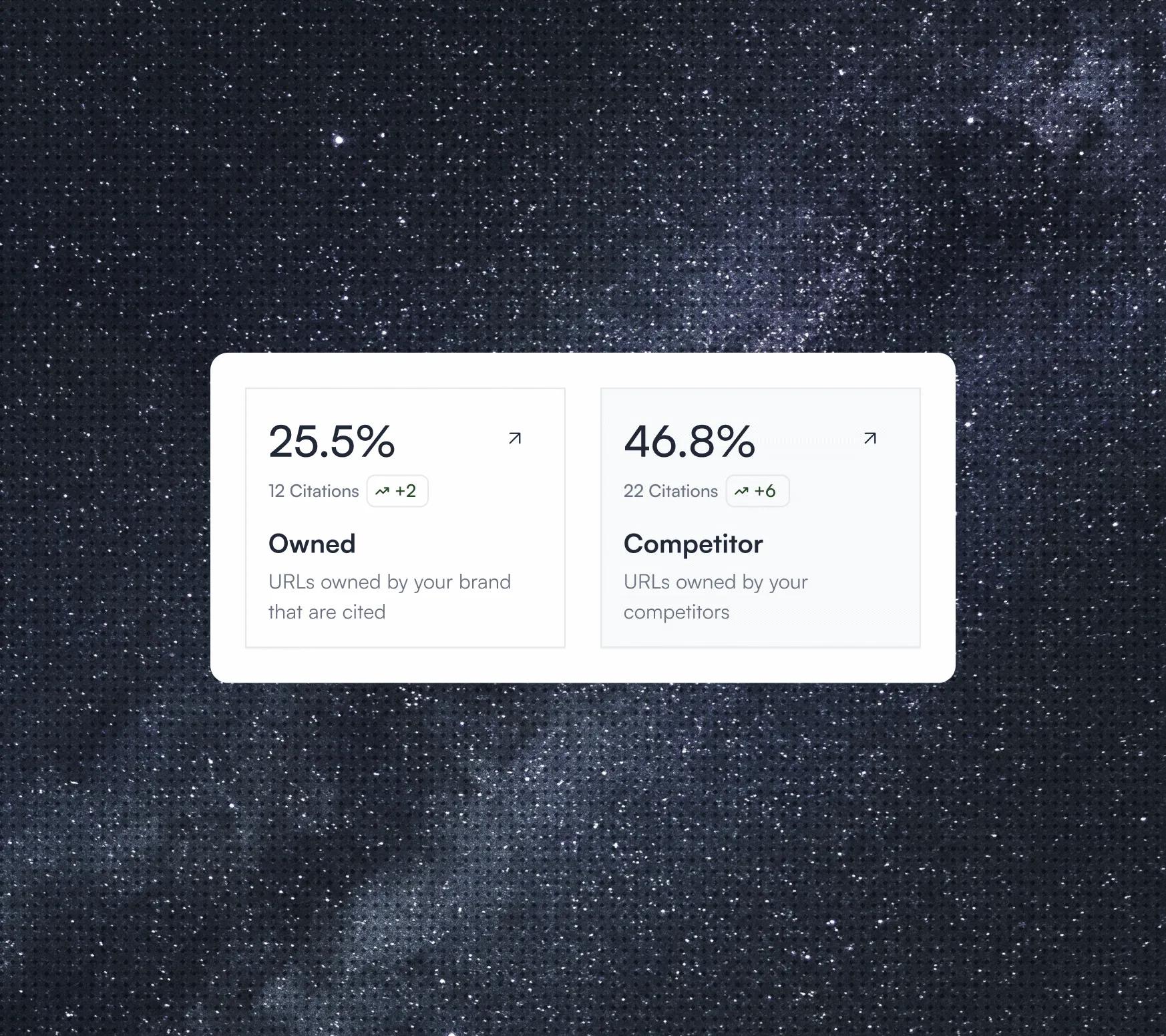
Agents read the pages ranking on Google and the sources AI engines cite for the same query. They map the subtopics each competitor covers and flag the gaps your page can own.
step 4
Optimization Brief
Optimization Brief
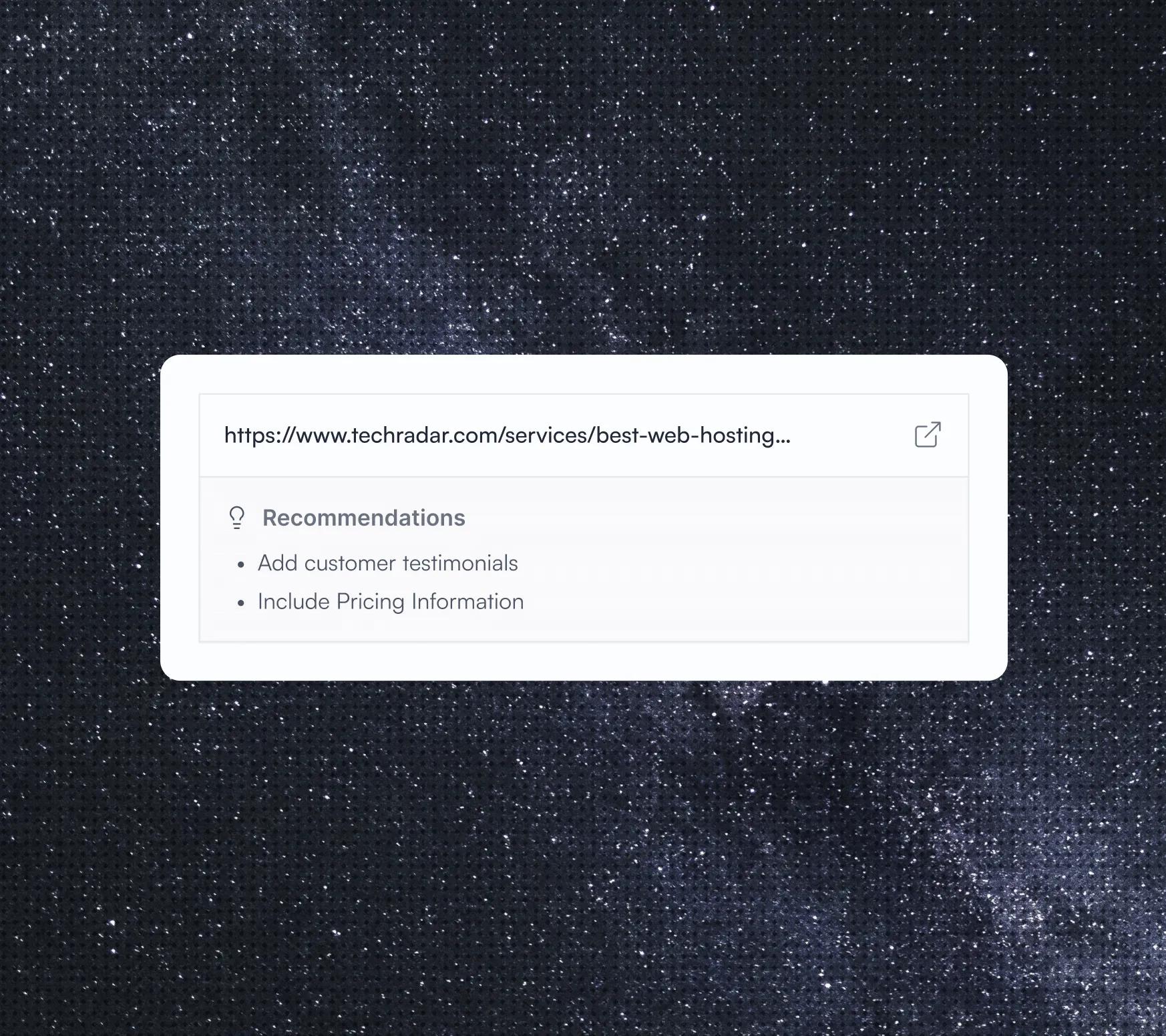
Keyword data and competitor gaps come together in one brief. It sets the outline, headings, entities to cover and internal links to add, so the writer starts with a clear plan to rank and get cited.
step 5
Content Update & Deep Research
Content Update & Deep Research
For existing pages, Slate rewrites the sections that fall short of the brief and keeps what's already performing. Deep research adds fresh stats and cited sources, with every claim linked back to where it came from.
step 6
Review & Publish
Review & Publish
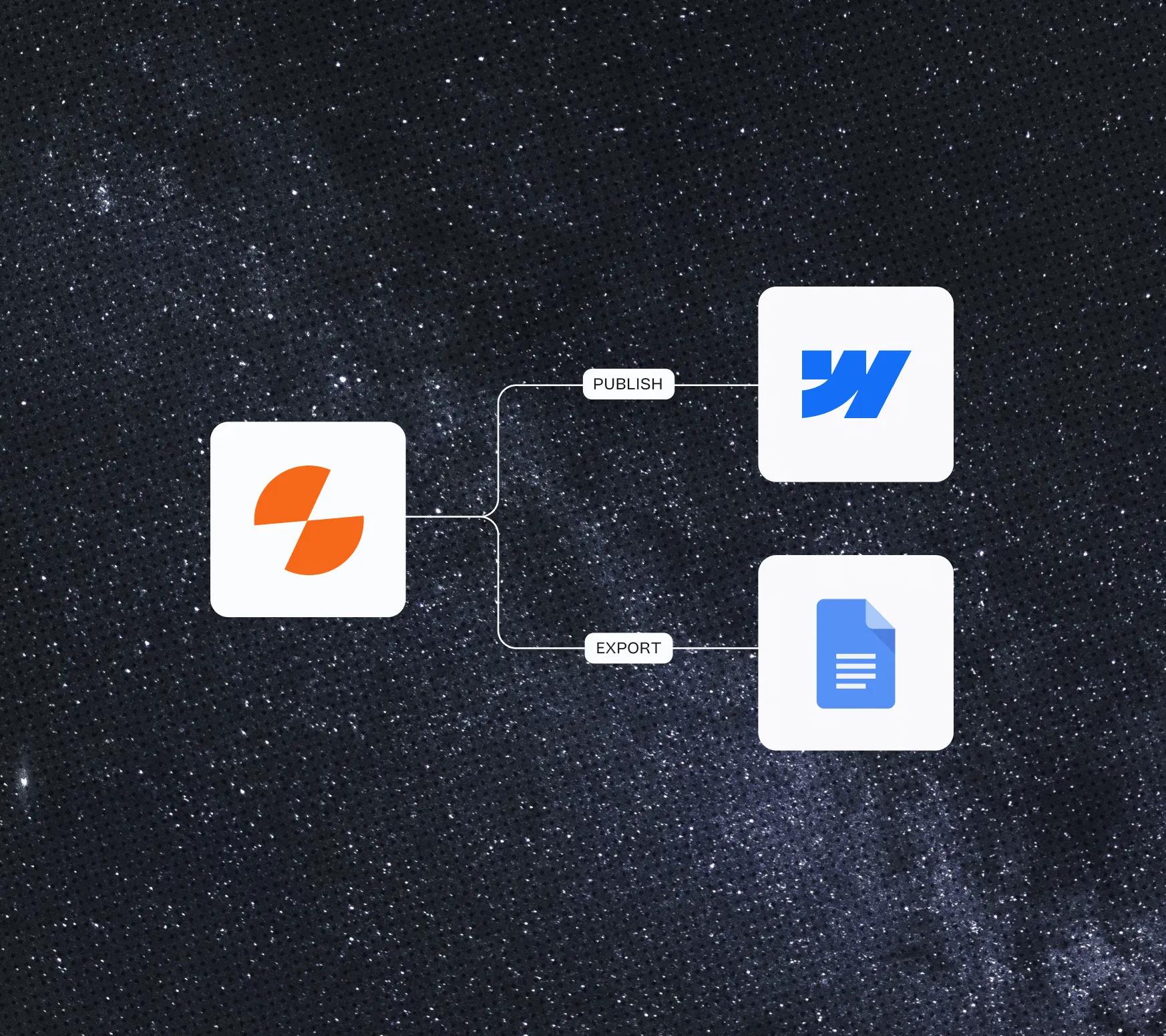
Your team reviews the draft and edits inline. Once approved, Slate publishes straight to your CMS with formatting and metadata intact.
Build Workflows Using Blocks
Combine AI execution, competitive intelligence, data extraction, and publishing into one automated workflow. The building blocks of repeatable content systems.
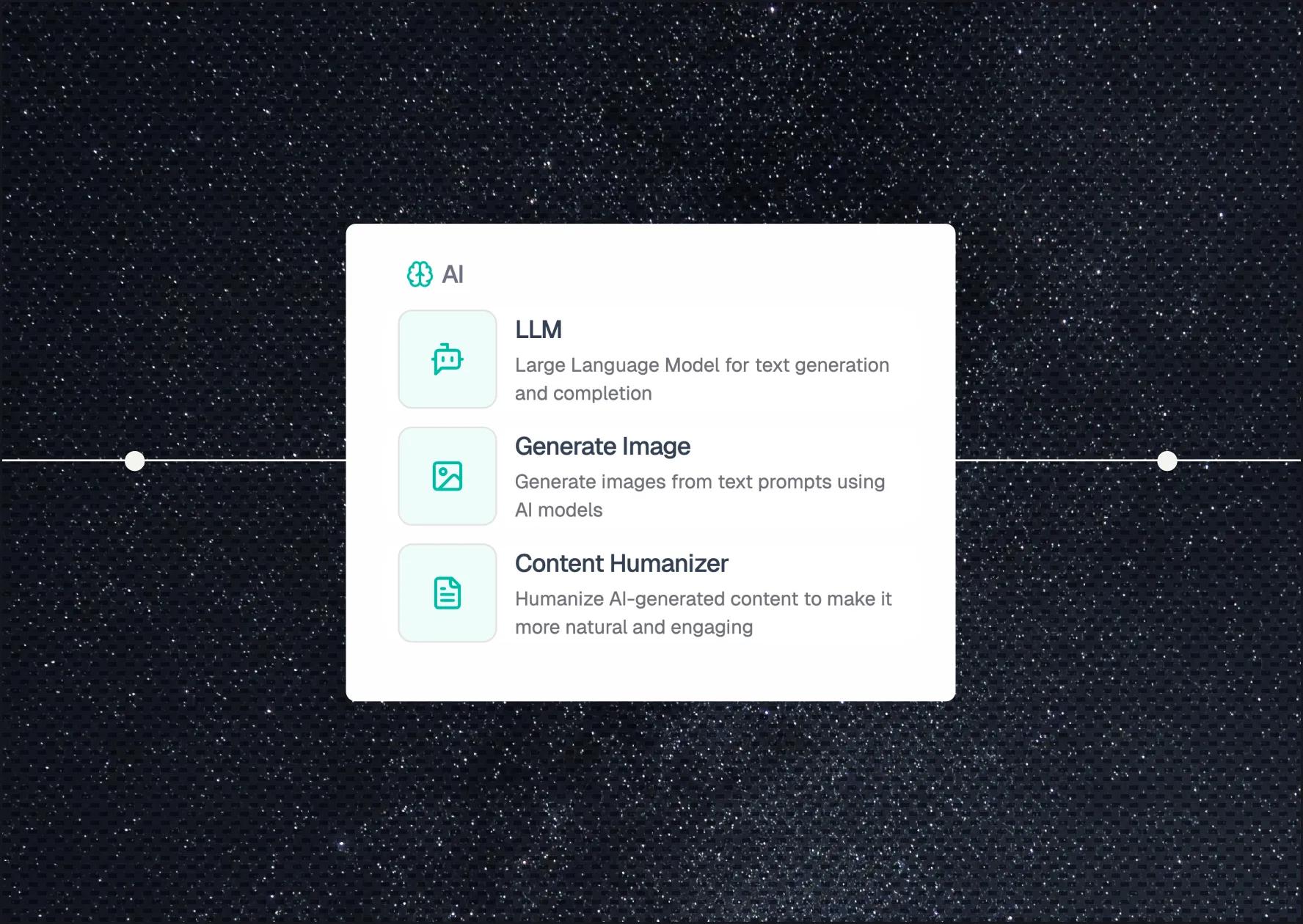
AI Execution
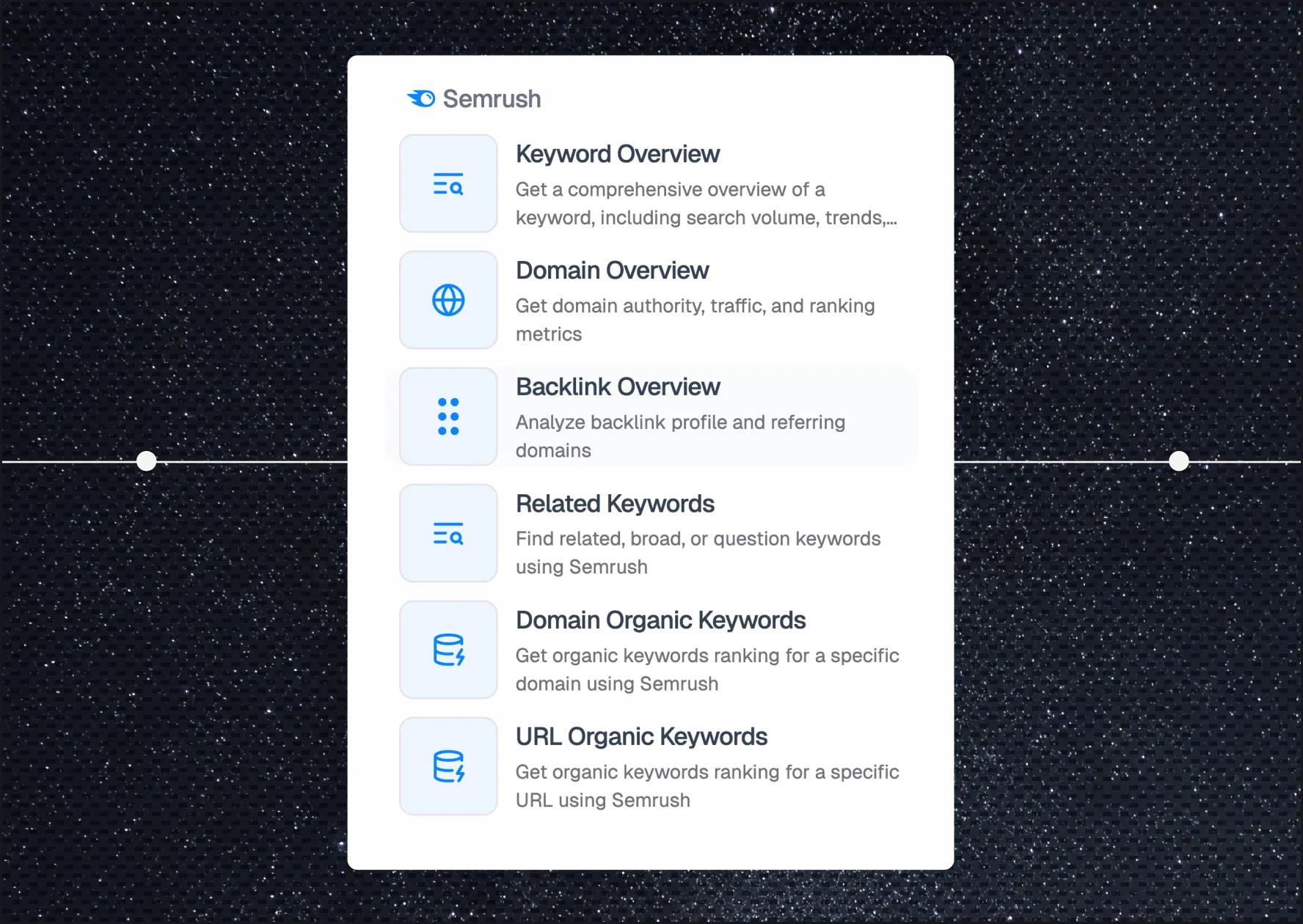
SEO & Research
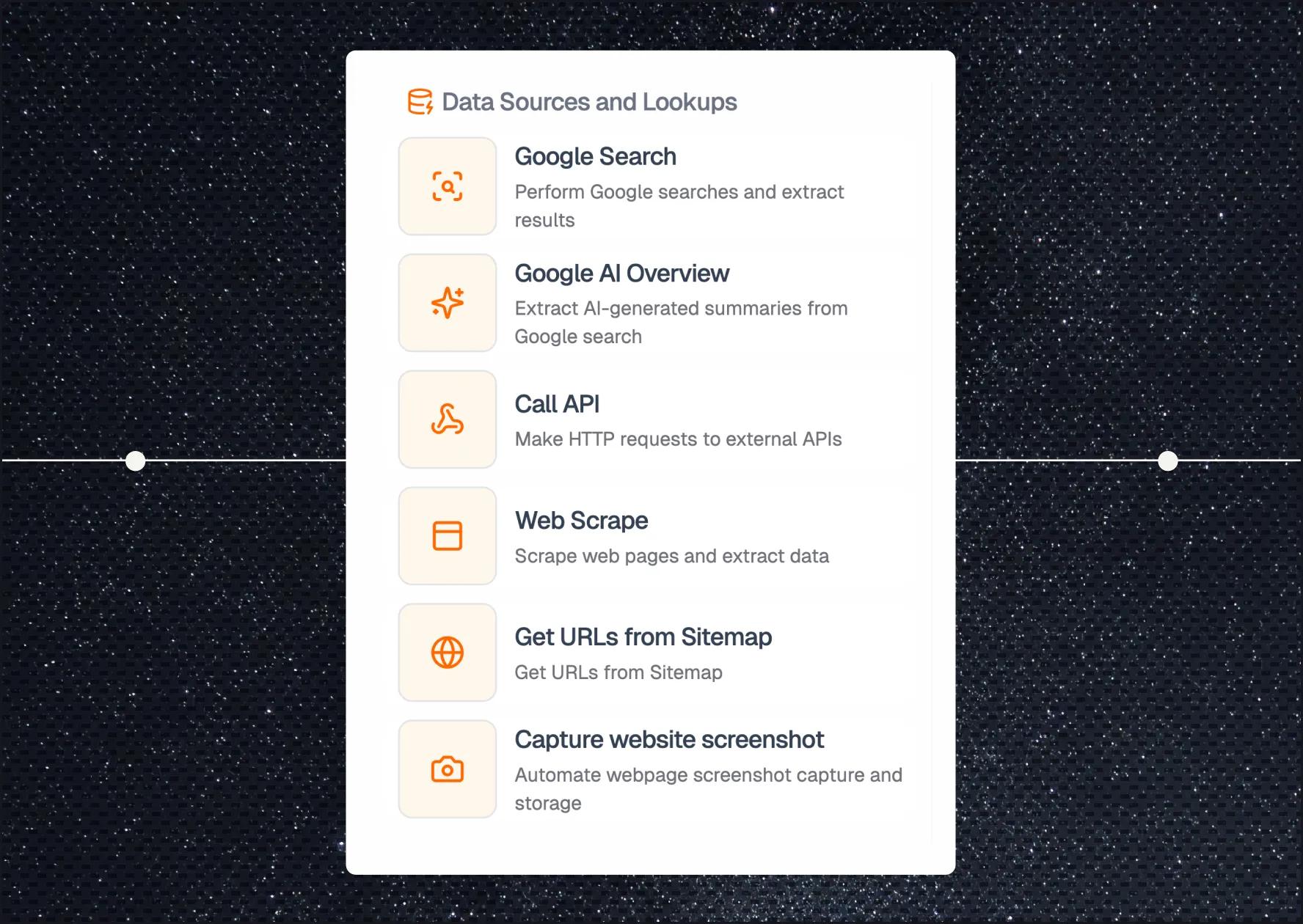
Data Sources & Lookups
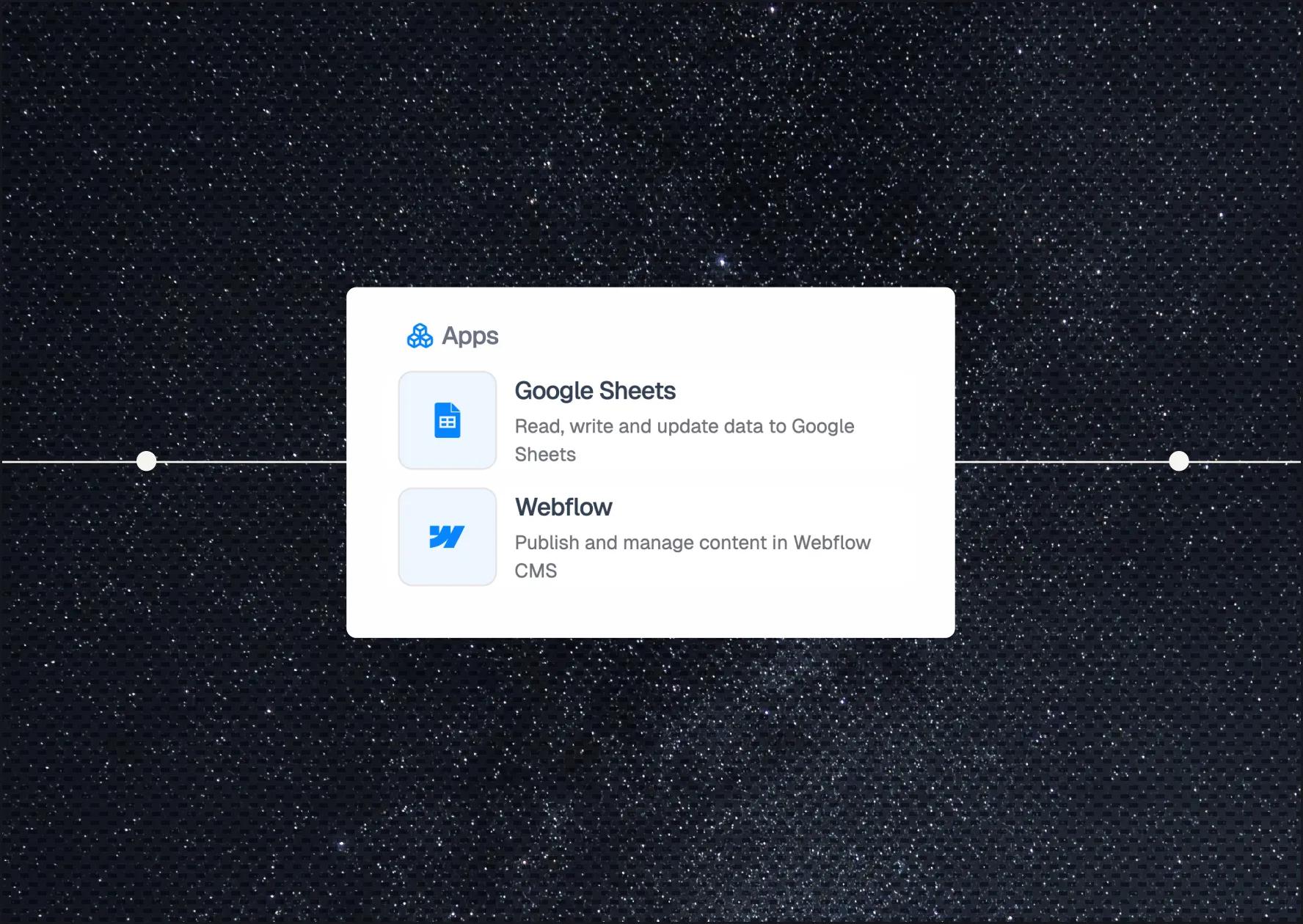
Integrations & Publishing
Your Brand Identity,
Encoded Into Every Output
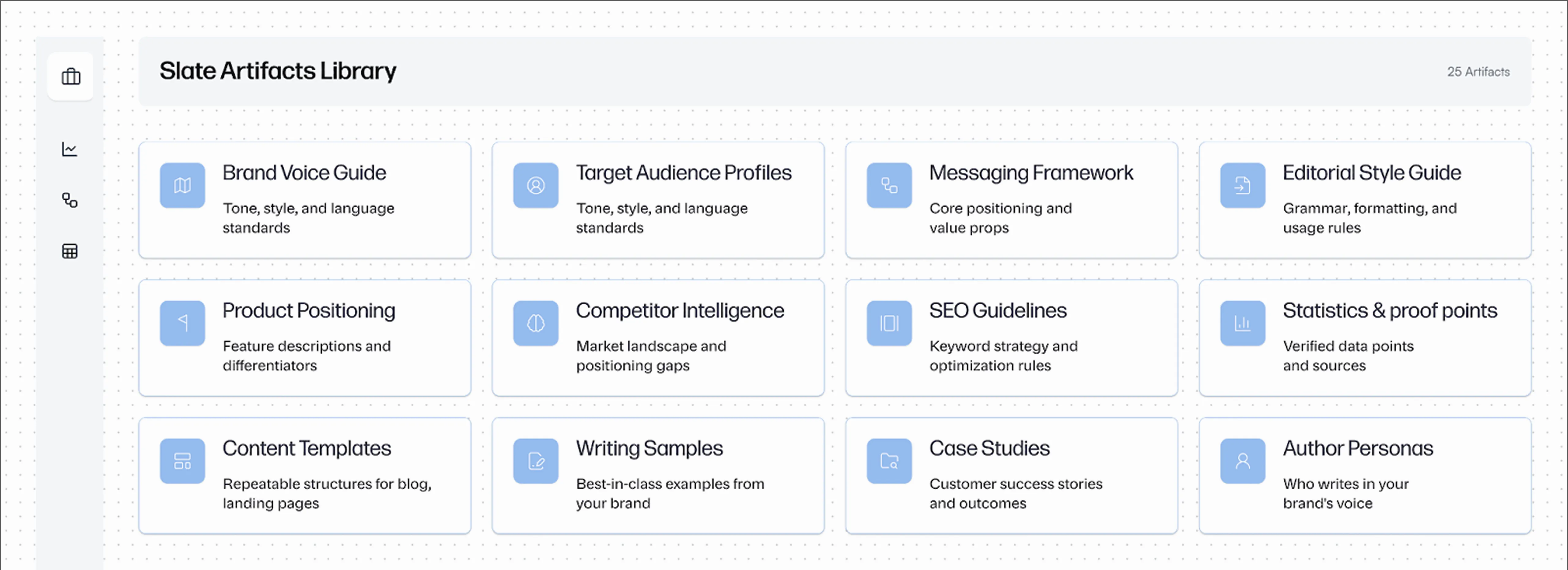
Generic AI tools write fast but strip away brand voice. Slate's Brand Kit ensures every piece of content, from research, recommendations to drafts, aligns with your identity automatically.

Content Engineered for Both Humans and AI Agents
AI systems cite sources. Search engines rank pages. Different mechanisms. Different requirements. Your content needs to perform in both systems.
For AI Citations (AEO)
Structured data and FAQ sections AI can parse
Unique insights that earn citations
Direct answers matching AI response patterns
For Traditional Rankings (SEO)
Keyword targeting and topical coverage
Competitive positioning against top pages
Internal linking and featured snippet optimization
Pre-Built Workflows, Ready to Run
Slate includes workflow templates for the most common content operations. Start with proven patterns, customize for your process.
Blog Post Creator
Research competitors, generate outlines, draft content, optimize for dual discovery
Content Refresh
Analyze existing pages, surface recommendations, rewrite for current standards

Competitor Gap Analysis
Identify what top-ranking pages cover that yours don't
Programmatic Content
Generate hundreds of pages from structured data with consistent quality
FAQ Generator
Research common questions, structure answers for AI and featured snippets
Build content that wins, in AI search and Google
Frequently Asked Questions
How is Slate’s content creation different from generic AI writing tools?
Most AI tools generate text. Slate builds content systems, combining research, structure, brand rules, and best practices, so outputs are accurate, consistent, and production-ready, not just readable.
What inputs does Slate use to create content?
Every creation run can take in SERP data, competitor context, SEO and AEO intelligence, and your brand kit, ensuring content is grounded in reality, aligned to intent, and on-brand from the first draft.
Can Slate create different content formats at scale?
Yes. Slate is built to support any form of content ranging from blogs, landing pages, FAQs, comparisons, programmatic pages, to refreshes, all generated through structured workflows rather than one-off prompts.
How does Slate ensure quality and avoid hallucinations?
Slate relies on expert-built workflows, structured validation checks, source grounding, and optional human-in-the-loop reviews to minimize inaccuracies.
Can Slate help improve visibility in AI search and generative engines?
Yes, by structuring content for retrievability, citability, and trustworthiness, Slate helps ensure your content is both found and referenced by AI-powered assistants while maintaining integrity and relevance.