For years, SEO ran on a simple deal: you rank, you get the click. That deal is breaking. In this Slate HQ session, Sara Taher skipped the "SEO is dead" panic and got specific about what's actually shifting as AI Overviews and LLMs answer more queries on the spot, and what practitioners should do when clicks turn into a scarce resource.
Her take: this isn't the end of SEO. It's the end of SEO as a pure click-harvesting game. Stop blaming AI Overviews for everything. Write for depth instead of coverage. Measure what leadership actually cares about. And build a content ecosystem that lives beyond your own site.
Most searches now end without a click
That's the shift in one line, and the numbers back it up.
Two out of three Google searches end without a click. In the first four months of 2026, an estimated 68% went nowhere. That's structural, not a blip, for anyone whose traffic depends on that click.
Where AI summaries show up, the click-through math collapses. A Pew study found that when an AI summary appeared, people clicked a traditional result just 8% of the time, versus 15% when there was no summary. Only 1% clicked a source inside the summary. Read that again. The summary is the destination now, not a signpost to yours.
This started before AI, and AI Mode poured fuel on it. Users had already drifted to social, video, LinkedIn, and newsletters. YouTube is effectively the third-largest search engine. Add AI Mode's roughly one billion monthly users, and you're not looking at one villain. You're looking at a compound effect.
Informational content is the most exposed. Transactional intent is safer. Purely informational queries are bleeding traffic in traditional search. Commercial and buying intent still pulls people onto your site. But you can't only publish bottom-of-funnel pages, because the full ecosystem is what earns the ranking in the first place.
Depth is the differentiator. Sharing information is table stakes now, because AI does it for free. Analyzing it is better. Applying it, turning insight into a point of view, is where the click still happens.
Best practices and key learnings
The session ran as a live Q&A. Here's what's worth stealing.
It's not just AI Overviews, so widen the lens
Sara's first move was to zoom out. The industry stared at ten blue links for so long that it now blames every dip on AI Overviews. But behavior had been drifting for years before they arrived.
- Social, video, and newsletters were eating search traffic long before AI got involved.
- Demographics matter. Gen Z and millennials consume content differently, and "Google is for old people" was a headline years ago.
- Treat the decline as a compound effect of many forces, not a single cause you can point a finger at.
Know which intent is at risk, then protect the rest
Not all content is equally exposed. Informational queries are the ones losing clicks. Commercial and transactional intent holds up, because buyers still need to land on your site. Sara was clear, though: you can't only chase the safe end of the funnel.
- Protect your conversion, category, and product pages. AI Overviews takes informational clicks, not buying clicks.
- Keep building informational content anyway, because that's how search decides you have authority.
- Don't sleep on Google Discover, which can drive 25 to 50% of traffic for big publishers and rewards features like preferred sources.
"AI Overviews is taking clicks for information, but not for your conversion pages." (Sara Taher)
Write for depth, not coverage
Sara framed content as levels, loosely mapped to Bloom's taxonomy. Level one is sharing information, which anyone can do and AI now does for free. Level two is analysis. Level three is application, and that's where readers still come to you.
- Skip the canned, commodity content everyone else publishes. That's exactly what AI replaces.
- Push past sharing facts into analysis and application. That's what earns the click and builds a brand connection.
- Make it genuinely skimmable. One case study moved the section people always scrolled to up to the top, and performance improved.
"Sharing information is the first level, and AI doesn't need you for that anymore. Applying it is where you add unique value." (Sara Taher)
Diagnose the drop before you blame AI
This was the sharpest segment. When rankings hold but traffic falls, "it's AI Overviews" should not be your first answer. It's usually not helpful, and it lands badly with clients who are already anxious about it.
- Narrow it first. Is the drop sitewide, or is it one keyword, cluster, or subfolder?
- Sitewide usually points to site quality or a technical issue. Sara watched a dev team remove an old system, and the sitemap went with it.
- For specific drops, read the SERP and find what changed. One client's page sorted by "most expensive first" read as luxury rental and lost to a competitor sorted by average price. Seasonality bites too, even in B2B at year-end budget close.
"I'm not saying AI Overviews aren't impacting traffic. I'm saying it shouldn't be your first answer." (Sara Taher)
Measure what leadership actually cares about
On KPIs, Sara's advice was to speak the language leadership speaks. Most executives don't care about citations in the abstract. They care about dollars and conversions. And the most common self-inflicted wound is bringing traffic in and then routing it nowhere.
- Report dollar value and conversions, not citation counts, when the goal is revenue.
- Move fast when AI gets your brand wrong. Sara fixed a ChatGPT error about her course price by enriching a thin landing page with real information and reviews.
- Build a simple GA4 dashboard that tracks blog clicks and how many of those readers move on to a product page. Then fix that path.
"You're pouring into a cylinder, not a bowl. You lose all the traffic you bring." (Sara Taher)
Build a content ecosystem, not just a website
The closing theme: optimize the content, not just the site. Nail the content and the audience first, then repurpose the platforms that actually matter, judged by where you show up in search and where your users spend time.
- Think in tasks, not just keywords. Someone buying a shoe might really be prepping for a wedding, so write around the whole task.
- Use Reddit where it fits. A brand-run subreddit is a legitimate play, and Sara pointed to HelloFresh's unmanaged one as a wasted opportunity.
- Be on LinkedIn if you're B2B, where posts increasingly surface inside AI Overviews and search.
- Remember that AEO and GEO are still fundamentally SEO. Being comprehensive about your product on the right pages is the throughline, and you can check what AI sees by looking at which pages the bots hit in your server logs.
"Optimize the content, not just the website. Nail it, understand your audience, then repurpose where it's relevant." (Sara Taher)
How to put this into practice
Start by auditing where your traffic actually comes from and which intent types you're most exposed to. Protect your conversion pages. Then look hard at your informational content and ask an honest question: is it sharing facts AI already gives away, or is it applying insight only you can?
Before you pin any decline on AI Overviews, narrow it down. Sitewide or a cluster. Technical or quality. Seasonal or structural. Then fix the path so the traffic you earn actually moves toward a product, category, or conversion page. Finally, take your best content off-site and repurpose it to the one or two platforms where your audience and your search results already overlap.
The zero-click era isn't the end of SEO
The shift is real, and the data backs it. But it's not a reason to panic. It's a reason to get more sophisticated about content, measurement, and strategy. As Glenn put it in the wrap-up, the zero-click era isn't the end of SEO. It's the end of SEO as a pure click-harvesting game, and the start of something that rewards depth, systems thinking, and a presence across more than one platform.
The teams that win this next phase won't be the ones searching harder for the click. They'll be the ones who stop depending on it.
Want to track your AI search visibility and run these plays at scale?
Book a demo or start a free trial at slatehq.com.
How Slate helps teams win in AI search
Slate is a content automation platform built for SEO and content teams. It tracks your AI and search visibility, lets you build agents that run on a schedule, helps you fix or build content with brand-aligned templates, and publishes straight to your CMS with no manual handoffs. It's the execution layer for exactly the kind of depth-first, ecosystem-wide strategy Sara laid out.
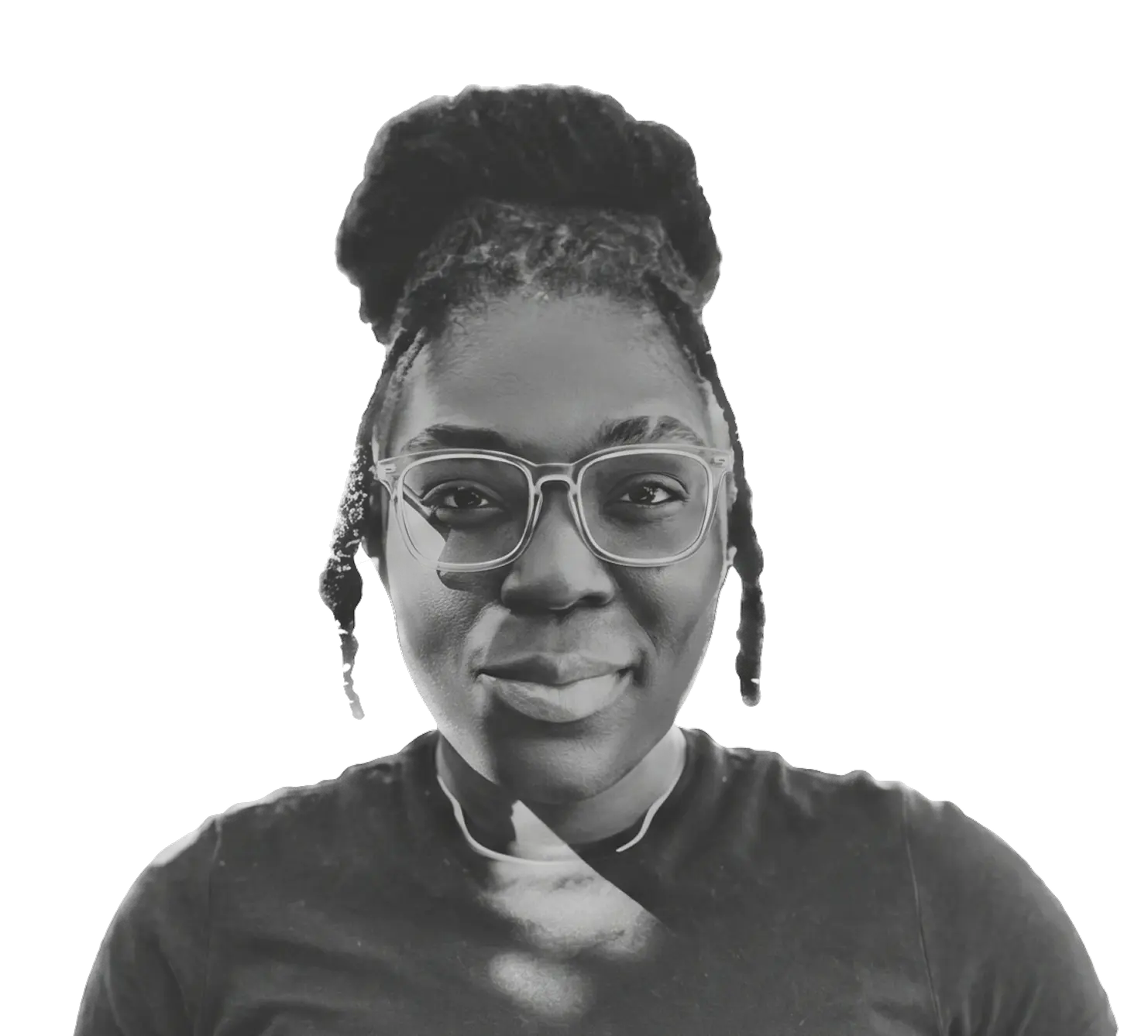
About Sara Taher
Sara Taher is a full-stack SEO consultant and speaker with deep experience across technical SEO, content strategy, and AI search. She works with businesses to build organic search strategies that hold up as the landscape shifts, not just strategies that worked last year.
She's a frequent voice in conversations about the future of search, and she has a talent for cutting through the noise: translating what's actually changing, what isn't, and what practitioners should do about it.
She's the creator of SEO Riddler, a newsletter exploring the future of search, AI, and SEO, and regularly shares practical insights, research, and experiments with the SEO community.
In this session, she's bringing her clearest thinking on zero-click alongside a live Slate build you can put to work immediately.
Learn more about Sara and her work at sara-taher.com.