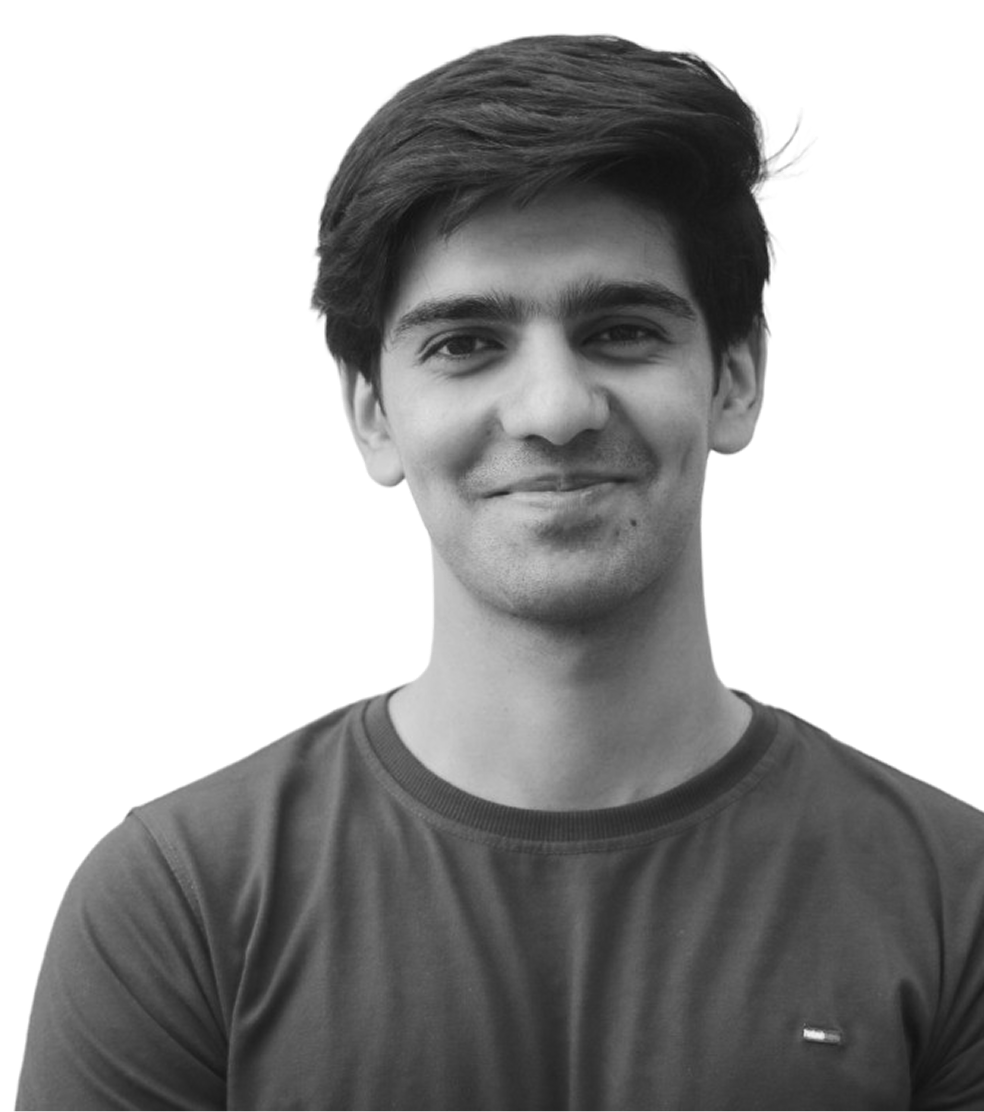
Most content teams pour time and money into net-new content while their biggest ROI lever quietly rots. In this Slate HQ workshop, Usman Akram walked through the exact content-refresh system he's used at Loom, Adobe, and Modash, then built it live inside Slate.
His point: refresh isn't a vague "update the post" task. It's diagnosable and repeatable. Six forces to check, three failure modes that each need a different fix, and a five-stage engine you can run across hundreds of URLs at once. The receipts: 2x pipeline growth in 8 months at Modash, a 186% jump in inbound demos at Hostfully, and a 162% rise in organic meetings booked at Cold IQ.
The pages you already have are leaking. Fix those first.
Your highest-ROI lever is content you already own. Pages that already carry backlinks, authority, and intent alignment are far easier to move than anything net-new. Some of them are quietly losing rankings and AI citations you didn't even know you were competing for.
AI search rewards freshness harder than Google does. Usman cited studies showing roughly half of ChatGPT citations came from content fresher than 13 weeks, a big share from pages updated in the last 30 days, and about 3x decay if you skip updating for a single quarter. Freshness is a moderate factor for traditional search. For AI, it's a favorite.
A real refresh is six forces, not one edit. Under "update the content" sit three substance forces (data freshness, intent alignment, competitive depth) and three form-and-voice forces (readability and structure, brand positioning, citation hygiene). Skip one and the refresh underdelivers.
Diagnose before you prescribe. A page stuck on page two, a page losing rankings, and a page losing traffic despite good rankings are three different problems. One generic optimization pass won't fix all three.
The engine runs in five stages, in bulk, and ends in one click. Audit, then competitive landscape, then live fact-check, then diagnosis, then rewrite. Run it across hundreds of URLs through Sheets, with a human-review step and one-click publish to your CMS.
AI doesn't remove the editor. It repositions them. Define quality as an explicit rubric the system can check, then keep a human on judgment. At Modash, a purpose-built generator cut editor time to 15 to 30 minutes per piece and freed the team for the deeper work AI can't touch.
Best practices and key learnings
The session paired strategy with a live build inside Slate. Here's what's worth stealing.
Refresh before you write anything new
Usman's opening argument was economic. The pages already carrying authority and intent alignment are the fastest path to results, and freshness compounds that, especially in AI search, where up-to-date content gets cited out of proportion.
- Treat your existing library as an asset register, not a graveyard. Find the pages decaying and fix them first.
- Weigh freshness heavily for AI visibility specifically. It moves that channel more than it moves traditional rankings.
- Don't let a full quarter pass between updates on important pages, given how fast citation share drops off.
"AI search has a special love for freshness. This channel just loves citing content that's up to date." (Usman Akram)
A real refresh is six forces, not one edit
"Refresh" is an umbrella term, so teams treat every page the same way. Usman broke it into six components. The first three govern substance. The last three govern how it reads and who it sounds like.
- Substance: keep data and stats current, re-align to how search intent has shifted (a query that wanted a blog post two years ago may now want video), and match competitive depth through holistic coverage, not word count.
- Form and voice: modernize structure (headings, FAQs, newer elements), enforce brand positioning so nothing reads generic, and keep citation hygiene clean with neutral sourcing.
- Use the litmus test. Hand someone your refreshed page and a competitor's, both unlabeled. Could they tell yours apart?
Diagnose before you prescribe
This was the sharpest frame of the session. Refresh is medicine, and the prescription depends on the diagnosis. Usman named three common cases, each needing a different treatment.
- Almost on page one: close heading and depth gaps or enrich keywords. You probably don't need a full remap.
- Losing rankings: close coverage gaps, add missing sections, and strengthen internal links.
- Losing traffic despite rankings: look at CTR and title tags, because a competitor's updated titles can steal clicks even when your position holds.
"A page stuck on page two versus a page losing traffic need different fixes. They need different types of medicine." (Usman Akram)
Feed the system your brand, not the SERP
Two inputs do the heavy lifting: Slate's Brand Kit (ICP, positioning, messaging, writing style, CTA, samples, competitors) and per-page Additional Notes (point of view, narrative angle, case studies, SME quotes). Usman was blunt that the SERP should inform your content, not run it.
- Lead with your company's actual POV. In the demo he reframed an "influencer marketing campaign examples" page around the idea that campaigns aren't a post and a payout, they're a repeatable system for turning creative partnerships into measurable growth.
- Turn down how much weight you give SERP analysis in the workflow, so it optimizes your draft instead of hijacking it.
- Inject what AI can't source on its own: subject-matter-expert transcripts, upcoming original research, real case studies.
"I'm a big fan of not letting the SERPs control what we create. We create what's best for the ICP, then optimize for search as a sprinkle on top." (Usman Akram)
Run the five-stage refresh engine
The live build showed the whole system stitched together in Slate. Dozens of nodes, grouped into five stages that take a URL from raw page to publish-ready HTML.
- Audit: scrape the page, extract ranking and related keywords, pull the current year so old stats get flagged, and detect quality issues.
- Competitive landscape: identify true SERP competitors, expand keywords with the SEMrush API, scrape the top results, and build an exclusion list (aggregators, forums, Wikipedia, named competitors).
- Verify and rewrite: loop through every stat to fact-check it live and swap in fresher sources that support the same narrative, classify the diagnosis from the signals collected, then generate semantic HTML with color-coded tracking showing what was added, rewritten, kept, or removed, images reinjected and ready to publish.
Scale it, but keep a human in the loop
The last stretch connected diagnosis to execution. Slate's analytics surface refresh candidates on their own. In the demo, it flagged pages "almost on page one," which you send to a Sheet and run in bulk, with review built in before anything ships.
- Let the platform recommend what to refresh from connected GSC, GA4, and prompt data, then add those pages to a Sheet and run the engine across the whole list.
- Build a separate QA workflow that checks each output against your inputs, and define "quality" as an explicit checklist instead of a vague standard.
- Keep an editor on judgment and unique additions. Automation handles volume, not final accountability.
"Talk to AI the way you'd talk to an intern. If you can define what quality looks like, you can build an agent to check it, but you still need someone to review." (Usman Akram)
How to put this into practice
Start with diagnosis, not rewriting. Connect your search and AI analytics, let the system flag decaying and near-miss pages, and sort them by opportunity. For each one, name the actual problem: stuck on page two, losing rankings, or losing traffic. The fix is different every time.
Then run the six-force check as your quality bar, feed the system a strong Brand Kit and a clear narrative angle so the output sounds like you, and batch the work through Sheets so refresh becomes a background operation instead of a one-off project. Keep the color-tracked diff and a human editor in the loop before publishing, and turn your best setup into a reusable workflow the whole team can run.
Refresh is an operation, not a one-off
The workshop reframed content refresh from an occasional chore into a system that hums in the background. Diagnose the right problem, apply the right fix, and do it across hundreds of pages while a human keeps quality honest.
That's the whole difference. React to decay, or future-proof against it.
Want to run this against your own content?
Book a demo at slatehq.com to see the Content Refresh Engine, AI visibility tracking, and bulk execution working on your pages.
How Slate helps teams refresh at scale
Slate is a content automation platform for SEO and content teams. It tracks your AI and search visibility, recommends which pages to refresh, runs multi-stage workflows in bulk across hundreds of URLs, keeps every output on-brand through the Brand Kit, and publishes straight to your CMS. The whole refresh system lives as a reusable building block, so your team can start running it right away.
About Usman Akram
Usman Akram is an Organic Growth Strategist helping B2B SaaS companies turn search into a revenue engine. He’s led growth initiatives for companies like Loom, Adobe, and ActiveCampaign, and currently drives discoverability at Modash.
Across his work, he’s delivered outcomes like 2x pipeline growth for Modash in 8 months, 186% growth in inbound demos for Hostfully, and 162% increase in organic meetings booked for ColdIQ. His focus spans SEO and AEO, building systems that consistently translate visibility into pipeline and revenue.
He's known in the SEO community for his ability to translate complex strategy into clear, executable frameworks, and for his belief that great SEO starts with understanding the business, not just the algorithm. In this workshop, he's bringing his complete content refresh playbook and building it live inside Slate so you can see every step.