The last couple of years for the search ecosystem were a roller coaster, to put it lightly.
Zero-click searches now account for more than 60% of all Google searches. ChatGPT sees over a billion prompts every day.
Every major projection points to traditional search volume dropping further in 2026.
Moreover, the traditional traffic share, which is the number of searches leading to a click, will take a hit as all platforms (including Google) get better at handing answers to users on a silver platter.
Whether you’re a believer in data points like these or not, if you’re in GTM in 2026, there’s one fact you’re inevitably trying to process.
Users barely click through to websites anymore.
Three changes are driving this:
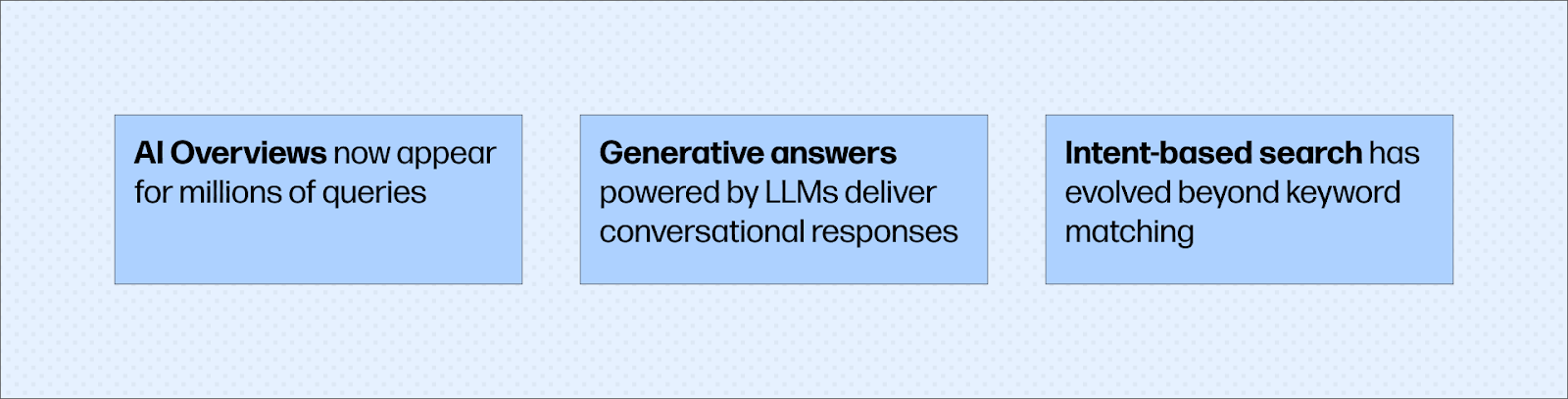
The ChatGPT Movement changed all our lives. Suddenly, finding information required way less time and effort.
This meant bad news for one particular demographic: people working in SEO.
If Google’s constant algorithm updates weren’t big enough of a headache to figure out, the rise of AI engines toppled the whole system.
In a span of a few months, website traffic disappeared into thin air (or…into LLMs). Everyone wanted to capitalize on the new trend, but few understood it.
Fast forward to today:
Artificial intelligence SEO, or AI SEO, isn't a trend. It's become a necessary evolution.
The traditional search ecosystem is transforming into an AI-first discovery landscape. Google's algorithm was always a black box, but AI search introduces new complexity.
Good news: It also creates new opportunities. At least, if you leverage it the right way!
Legacy players who ran behind optimizing for keyword rankings find themselves invisible in AI-generated answers. But newcomers who understand AI content preferences can leapfrog established competitors. They become the trusted sources AI systems cite.
This creates both fear and excitement.
To master AI SEO, you need to understand it first.
This guide will help you do exactly that.
Some people call it Generative Engine Optimization, some call it AI Search Optimization. But whether it is GEO, AEO, Generative AI SEO, or LLMEO, they’re conceptually the same.
What Is AI SEO?
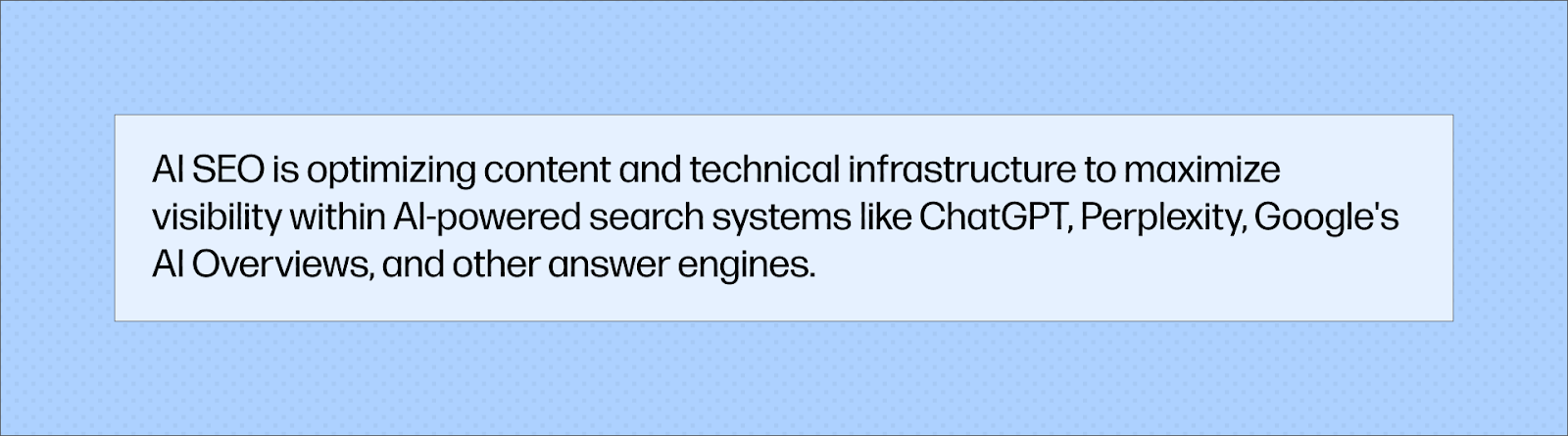
With traditional SEO, we focused on ranking individual pages for specific keywords. With AI SEO, we aim to establish your brand as the authoritative source that AI systems reference when generating answers about your industry, products, or areas of expertise.
Segregating traditional SEO and AI SEO can be misleading, as there are plenty of overlaps. One doesn’t exist without the other in an ideal marketing setup.
But when we look at LLM search optimization academically, it’s distinct in its own way. The difference mainly comes down to information processing and presentation.
Traditional SEO optimizes for algorithms that rank pages based on relevance signals: keywords, backlinks, user engagement metrics.
AI SEO optimizes for machine learning models that synthesize information from multiple sources. Here’s how they are more advanced:
- These systems understand context and relationships between concepts.
- They generate original responses rather than simply retrieving existing pages.
- Natural language processing enables them to understand user intent beyond literal keyword matching.
- Large language models draw upon vast training data to provide nuanced, conversational answers.
Let’s just dive a bit deeper into the differences that AI SEO brings to the game.
AI SEO vs Traditional SEO
Why Does AI SEO Matter?
This is the million-dollar question, literally!
AI Engines have created a visibility crisis, and ultimately a revenue crisis, for companies dependent on organic traffic. A TripleDart study showed that AI overviews reduce clicks by 57%, and CTRs by 35%! Top-ranking positions experience particularly steep declines.
LLMs have become active participants in the purchase decision rather than passive information retrieval systems.
Did you know that ChatGPT traffic converts 4 times better than Google?
Brands whose content gets cited within AI answers also see much higher engagement rates than traditional featured snippets.
This demands, without any doubt, that companies optimize for visibility within AI systems rather than just traditional search rankings. AI search visibility has become as important as traditional rankings.
When Perplexity or ChatGPT mentions your product in a comparison, that citation likely carries more weight than a #1 Google ranking. It appears within a trusted, conversational context.
SEO Over the Years
So…how did we get here?
The journey from keyword stuffing to AI optimization tells the story of search's relentless march toward understanding human intent.
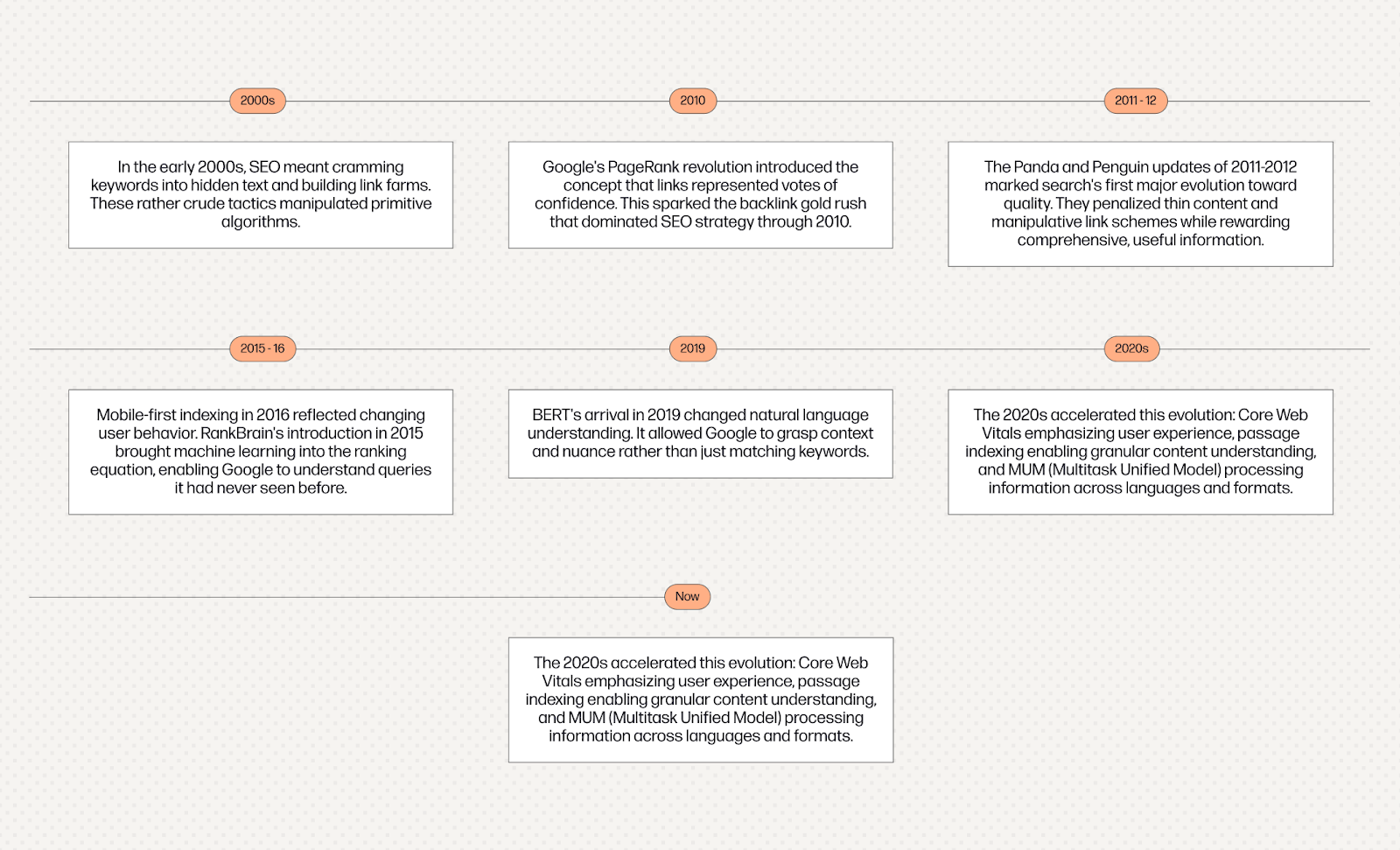
Today's AI-powered search represents the culmination of this journey.
AI systems understand intent, synthesize information, and generate original answers. The evolution from keywords to concepts, from pages to entities, from retrieval to generation mirrors the broader shift from mechanical matching to genuine understanding.
SEO professionals who thrived through each evolution share one trait (or, as some would like to call it, “shared trauma”). They adapted their strategies to align with search engines' ever-improving ability to serve user needs.
Core Components of AI SEO
Now that we’re over the history lesson, let’s get our hands dirty and understand AI SEO as a concept.
Here are its major pillars.
Keyword and Intent Research
Semantic keyword research goes beyond traditional keyword variations
It identifies conceptual relationships and topical clusters that AI systems recognize as comprehensive coverage.
Rather than targeting, say, "project management software" and hundreds of variants, AI-driven research maps the entire ecosystem of related concepts, user intents, and contextual relationships that establish topical authority.
Query clustering is a crucial concept here.
Powered by machine learning, it groups thousands of searches into intent-based categories.
This reveals patterns in how users truly seek information versus how we, marketers, assume they search.
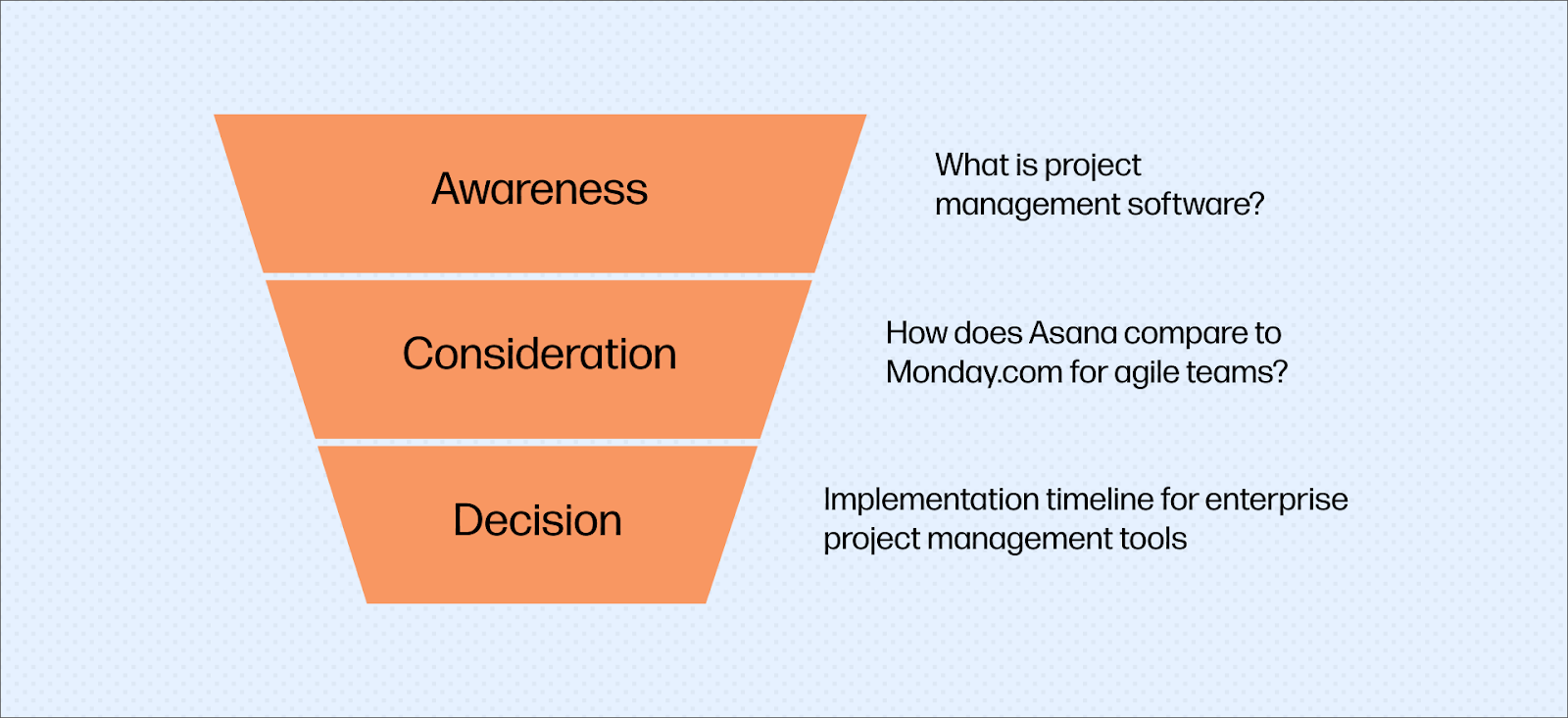
Clusters reveal conversational and long-form search patterns.
For example, the query "explain how project management software helps remote teams collaborate on complex deliverables" represents a high-intent user seeking a detailed understanding rather than quick answers.
To identify these natural language queries, you can use tools like AnswerThePublic and AlsoAsked. This can help uncover common query patterns across the entire customer journey.
Content Optimization
Here's where topical authority becomes your biggest lever. How LLMs perceive your brand depends heavily on how comprehensively you cover a topic.
LLM-optimized content follows a logical flow that both humans and AI systems can parse.
In practice, this means analyzing top-performing content across multiple platforms to identify coverage gaps.
What subtopics are you missing? Which examples and perspectives does your content skip over? This systematic approach ensures you're addressing every facet of user intent, not just the obvious ones.
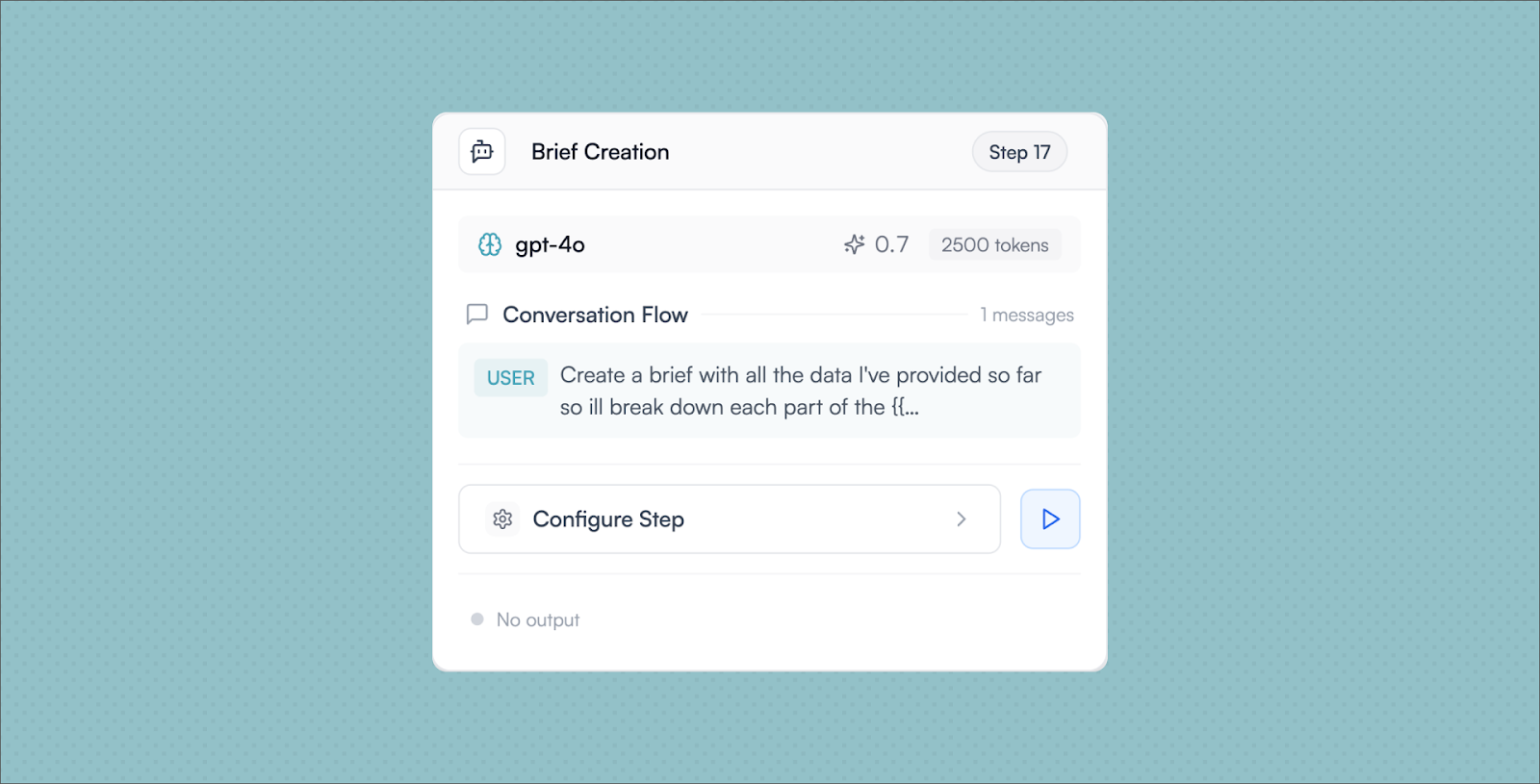
Slate helps operationalize this at scale, generating content briefs that map coverage gaps and structure outlines around topical authority requirements.
Start putting your answers up front. AI systems most frequently extract information from opening sections. Those meandering intros that take three paragraphs to get to the point are likely burying the exact content AI wants to cite.
Front-load the value, and both AI systems and impatient humans will thank you.
But while you keep these in mind, if your content reads like it was churned out by ChatGPT in fifteen minutes, none of this might matter.
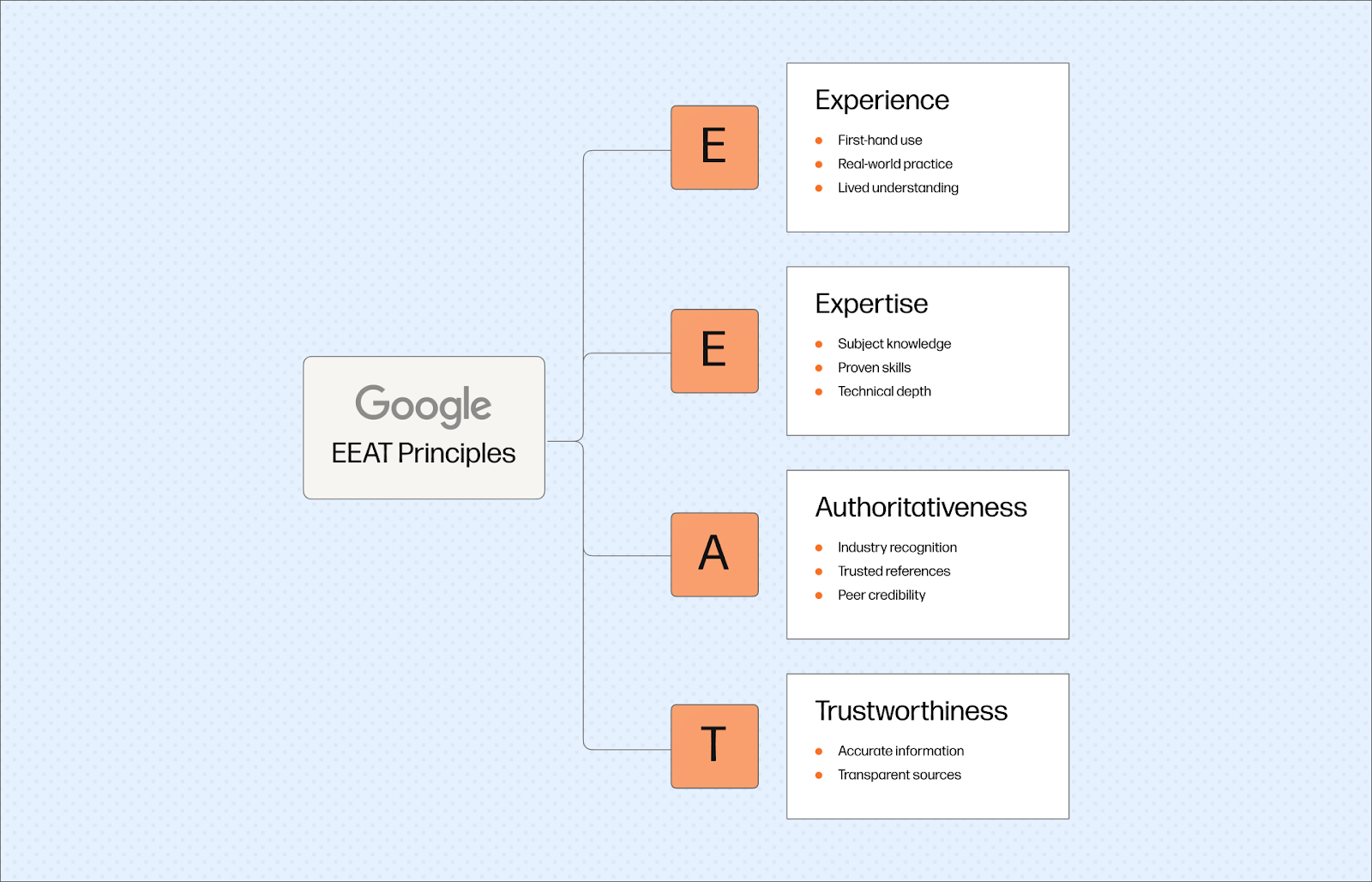
E-E-A-T alignment (Experience, Expertise, Authoritativeness, Trustworthiness) separates content that gets cited from content that gets ignored.
Original insights, real examples, expert perspectives, author bios, research citations, quality backlinks, consistent branding: all of these signals compound.
Technical SEO
Look, good ol’ technical SEO has always been about removing friction between your content and the systems trying to understand it. That hasn't changed with AI search either!
AI-powered site audits catch technical issues at scale: broken links, duplicate content, and rendering problems that block AI crawlers.
What's particularly useful is how these tools prioritize fixes by potential impact, so you're allocating time toward issues that truly move visibility.
Internal linking deserves more attention for AI SEO than most teams give it. Internal links are the connective tissue helping AI systems understand how your content ecosystem fits together.
Without that structure, you've got isolated pages instead of a coherent knowledge base.
That same logic extends to how you structure individual pages.
Logical H1-H3 heading hierarchies help AI systems parse your content and understand what each section covers. Pair that with semantic internal linking and clean crawl paths, and you're making it easy for AI crawlers contextualize your content.
Schema markup ties it all together. The JSON-LD format (which you can validate with Google's Rich Results Test) provides AI systems with explicit signals about what your content is and how it relates to broader topics.
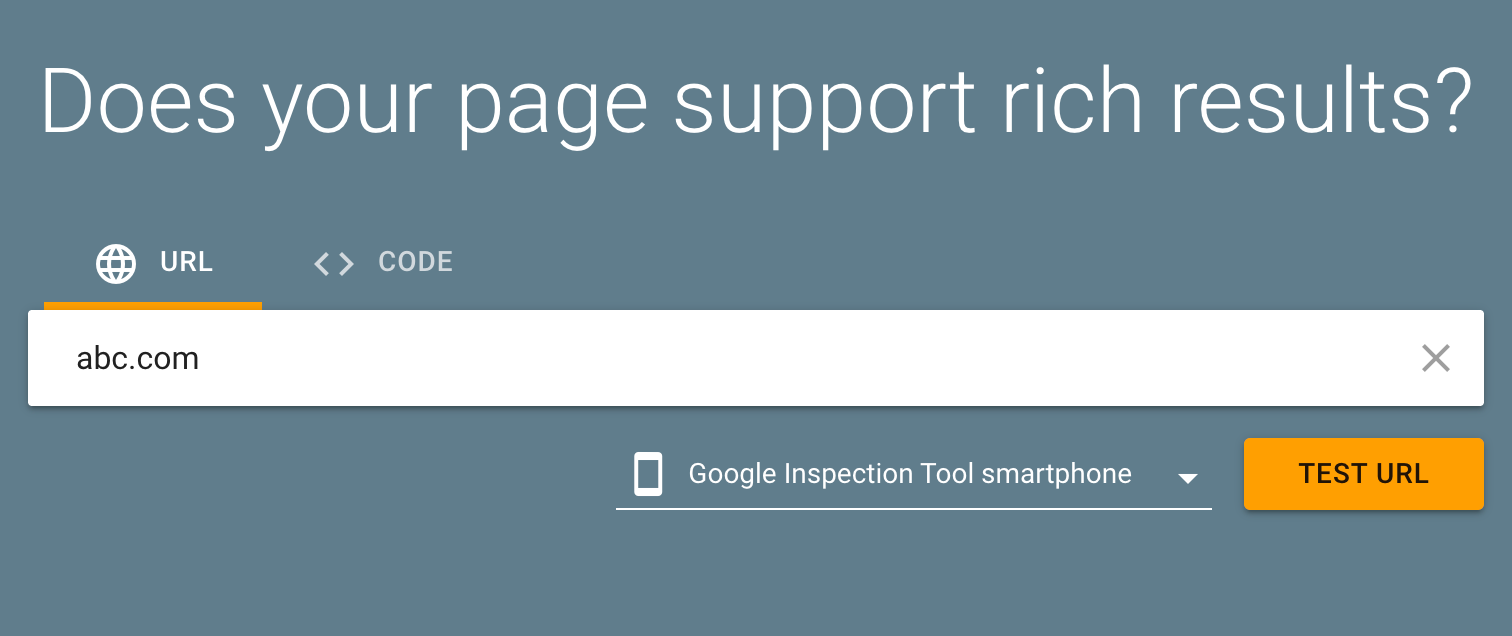
Skip this step, and you're leaving context on the table that competitors are probably capturing.
And lastly, Core Web Vitals round out the picture. Site performance metrics affect how frequently AI systems crawl your content and how they assess its quality.
Performance Analysis and Predictive Insights
This is an important analytical step, and with AI tools, it can be performed much more exhaustively than ever.
AI-driven performance analysis often identifies ranking opportunities you'd likely miss manually.
This is because machine learning models cross-reference competitor content, search trends, and your existing assets to identify gaps where relatively minimal effort could capture meaningful visibility.
Some of these are quick wins. Others point toward longer-term expansion plays. Both matter for planning.
But finding opportunities is only half the equation. You also need to know when existing content is losing ground.
Content decay detection addresses this by tracking citation frequency, information accuracy, and competitive landscape shifts before they show up as traffic drops in your reports. By the time you notice a decline in GA4, you've often already ceded ground to competitors who updated their content faster.
Speaking of GA4, tracking AI platform performance requires a custom setup, unless you are using a tool that does it for you.
Regex filters segmenting chat.openai.com and perplexity.com traffic let you isolate AI-driven visits and understand which content is earning citations versus which is just ranking traditionally.
Without this segmentation, you're flying blind on a channel that's growing in influence every quarter.
Finally, all of this data feeds into predictive modeling. These models factor in content velocity, competitive dynamics, and platform adoption rates to project where visibility gains will land and when.
Useful for setting realistic timelines internally, and even more useful for justifying budget to stakeholders who want to see projected returns before committing resources!
How to Optimize for AI SEO (Step-by-Step)
Step 1: Optimize for Search Intent First
Intent matching has always mattered in SEO. With AI search, it becomes the baseline.
AI systems process queries through a four-stage sequence: retrieval, response generation, source selection, and display. Your content needs to align with the type of intent it's targeting.
For instance, informational queries require comprehensive explanations with examples. Transactional queries need clear comparisons and decisive recommendations. AI systems recognize when content depth matches intent depth, and they reward it with citations.
A quick rundown of the points you need to keep in mind:
- Answer questions directly using the 40-60 word principle for key insights
- Follow it with detailed explanations
- Structure content to provide immediate value while supporting deeper exploration.
- Eliminate promotional language
- Replace subjective claims with precise, factually-supported statements
Step 2: Use Strong Semantic Structure
Structure isn't just about readability anymore. It gives you a big bonus in the form of making your content parseable for AI systems.
Here’s why: clear headings and subheadings create a content hierarchy that guides both users and AI through complex topics.
Each heading, when it ideally represents a complete thought, answers a specific question. And when your content matches the exact kind of questions users ask, this is your gateway to ChatGPT.
Here's how to approach formatting:
- Use bulleted lists for options or features, numbered lists for processes or rankings
- Use tables for comparisons and clear definitions for key terms
- Keep paragraphs short with bolded key points and visual breaks
- Let white space and visual hierarchy signal importance
This structured approach serves users who are scanning for quick answers while providing AI systems with clean data to extract.
Step 3: Build Topical Authority
AI systems don't just evaluate individual pages. They assess whether your site demonstrates comprehensive expertise across an entire domain.
Topic clusters organized around pillar content and supporting pages signal that coverage. Create pillar pages covering broad topics in depth, then develop cluster content addressing specific subtopics, use cases, and related questions.
This architecture tells AI systems you understand the full landscape, not just isolated keyword targets.
Strategic internal linking reinforces those topical relationships:
- Link from broad topics to specific examples
- Link from problems to solutions
- Link from concepts to applications
These connections help AI systems understand relationships between content pieces and recognize your site as a comprehensive resource. Without this connective tissue, you've got isolated pages rather than a knowledge base.
Coverage from beginner to advanced matters, too. Create content pathways that guide users from basic concepts through intermediate applications to advanced strategies. This establishes your brand as the go-to source regardless of where someone is in their learning curve.
Step 4: Optimize for Entities and Context
AI systems build knowledge graphs. Your job is to make it easy for them to understand how your content fits into those graphs.
Consistent terminology across all content helps AI systems recognize and associate concepts with your brand. If you call it "customer acquisition cost" in one article and "cost per customer" in another, you're fragmenting your entity associations.
A few principles to follow:
- Define key terms clearly and use them consistently across all content
- When mentioning tools or platforms, explain their purpose and relationship to your topic
- Provide concrete examples and use cases for abstract concepts
- Use transitional phrases, comparative statements, and causal connections to make relationships between ideas explicit
The more explicit you are about how concepts relate, the easier it is for AI to understand and cite your content accurately.
Step 5: Combine AI with Human Oversight
AI tools accelerate content production. But AI systems citing your content are also cross-referencing it against other sources for accuracy. That's where human oversight becomes non-negotiable.
Accuracy and fact checks remain essential. Verify all data, statistics, and claims with authoritative sources. Include citations and references that AI systems can cross-reference.
If your numbers don't match what other trusted sources are saying, you're losing credibility in the eyes of the systems deciding what to cite.
Original insights differentiate your content from generic AI-generated alternatives:
- Include case studies and proprietary data
- Add unique perspectives and real-world applications
- Maintain consistent brand voice throughout AI-assisted content
These original elements become the unique value AI systems cite when distinguishing between similar content.
How to Use AI to Optimize for AI SEO
There's a certain irony in using AI tools to optimize for AI search engines. But that's exactly where we are today! And the teams that figure out how to leverage this loop will outpace those still doing everything manually.
AI Tools for Keyword Research and Competitive Analysis
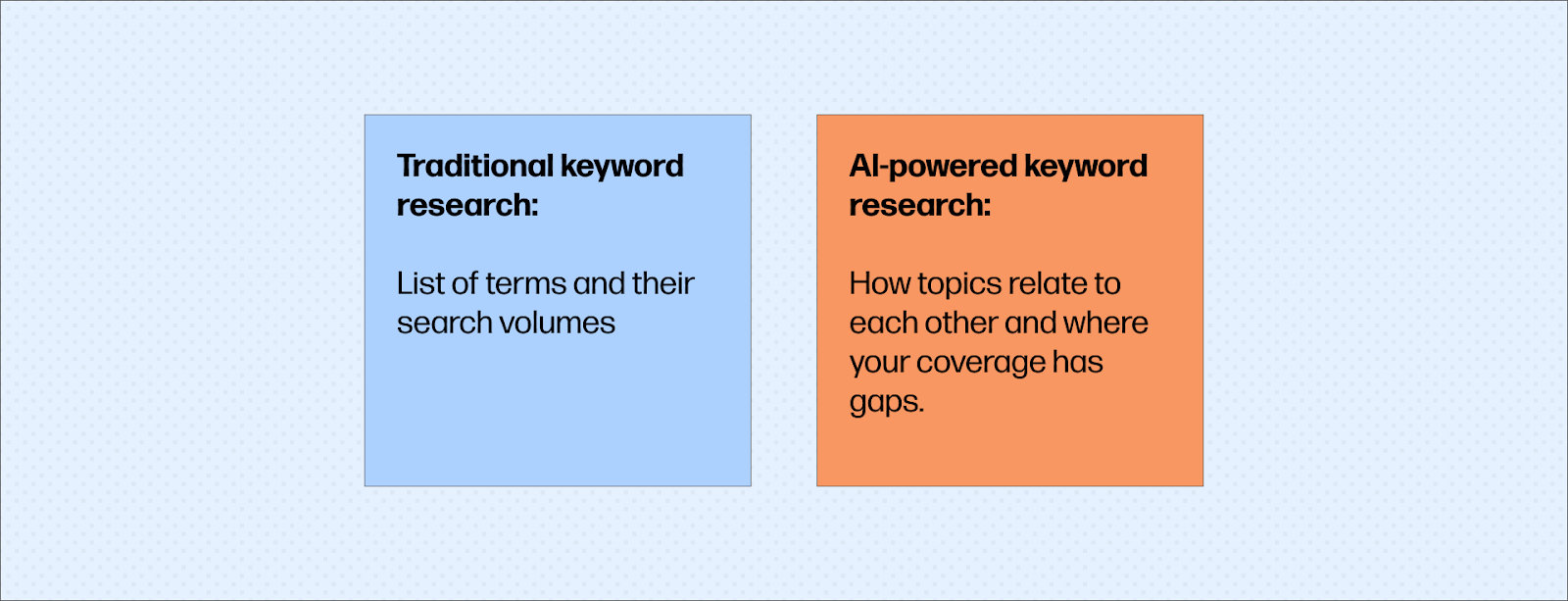
Platforms like Slate, MarketMuse and Clearscope analyze top-performing content to identify semantic relationships that traditional tools miss entirely.
They map entire topic spaces, showing which concepts you need to cover to establish authority. This is how you move from chasing individual keywords to building genuine topical depth.
Competitive analysis gets more interesting with AI. You're no longer just seeing what competitors rank for.
With tools like Slate, you're seeing how comprehensively they cover topics, where their content falls short, and which gaps you can exploit. Surfer SEO and Frase also do this well, analyzing competitors' content structure and depth to surface opportunities for differentiation.
AI Tools for Content Creation and Optimization
Content briefs used to be tedious. Someone had to manually research top-ranking content, pull out common themes, identify questions to answer, and structure it all into something useful for writers.
AI handles this in minutes. Tools like Slate, Content Harmony and Topic analyze top-performing content and generate detailed briefs: questions to answer, subtopics to cover, optimal content depth.
The output is consistent, comprehensive, and actually useful for writers who need clear direction.
On-page optimization has moved beyond keyword density into semantic relevance and topical coverage.
Slate, PageOptimizer Pro and Outranking provide real-time guidance during content creation, suggesting improvements that align with AI system preferences while keeping prose natural.
The workflow shift here is significant: you're optimizing as you write, not retrofitting afterward.
Technical and Automation SEO Tools
Technical SEO at scale requires automation. There's no other way to maintain excellence across hundreds or thousands of pages without burning out your team. Unless you have an army!
Botify and Lumar use machine learning to identify technical issues, predict their impact, and prioritize fixes. Some platforms can even implement fixes automatically through API integrations.
This transforms technical SEO from manual checklist reviews into intelligent, continuous improvement.
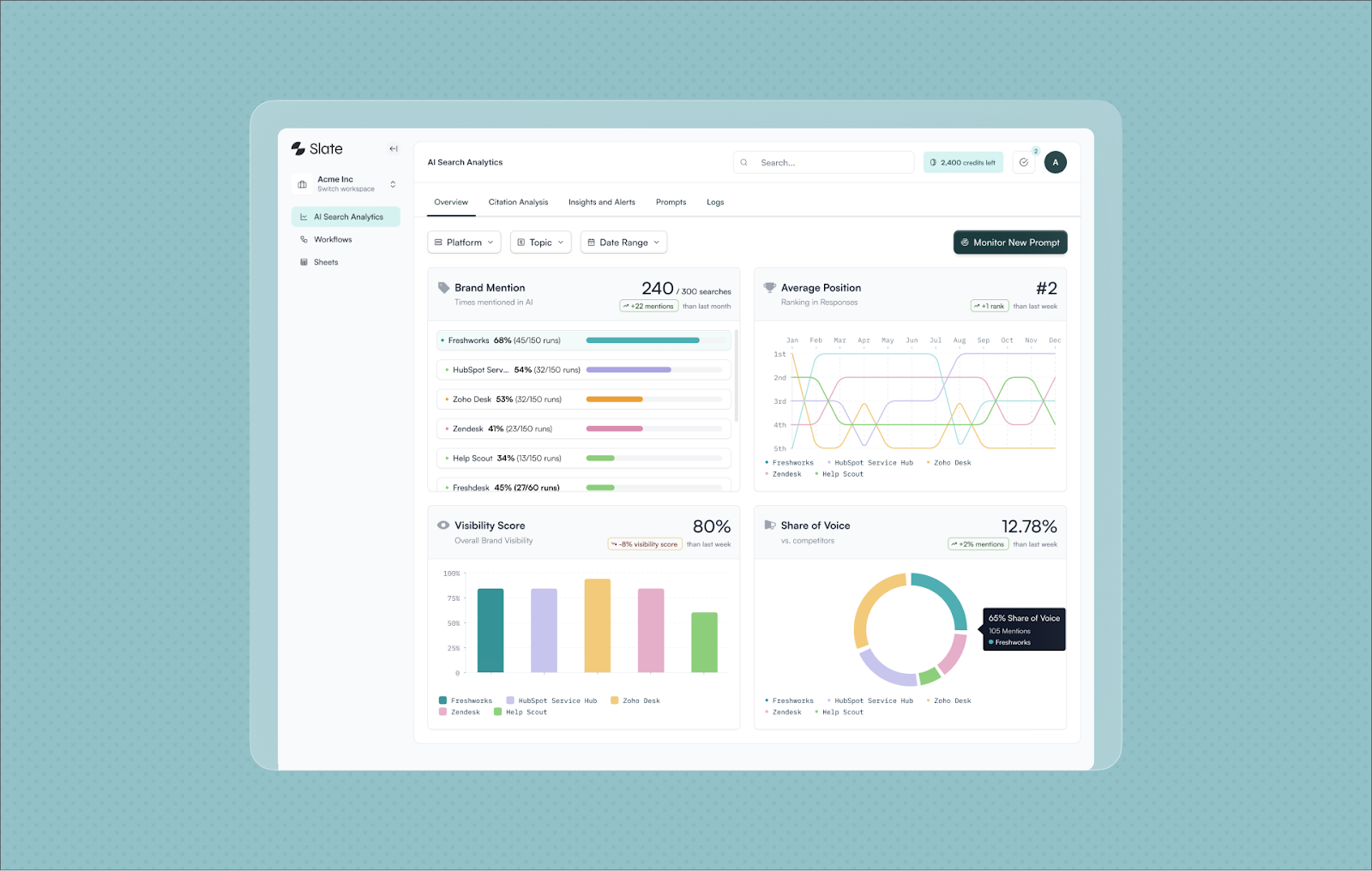
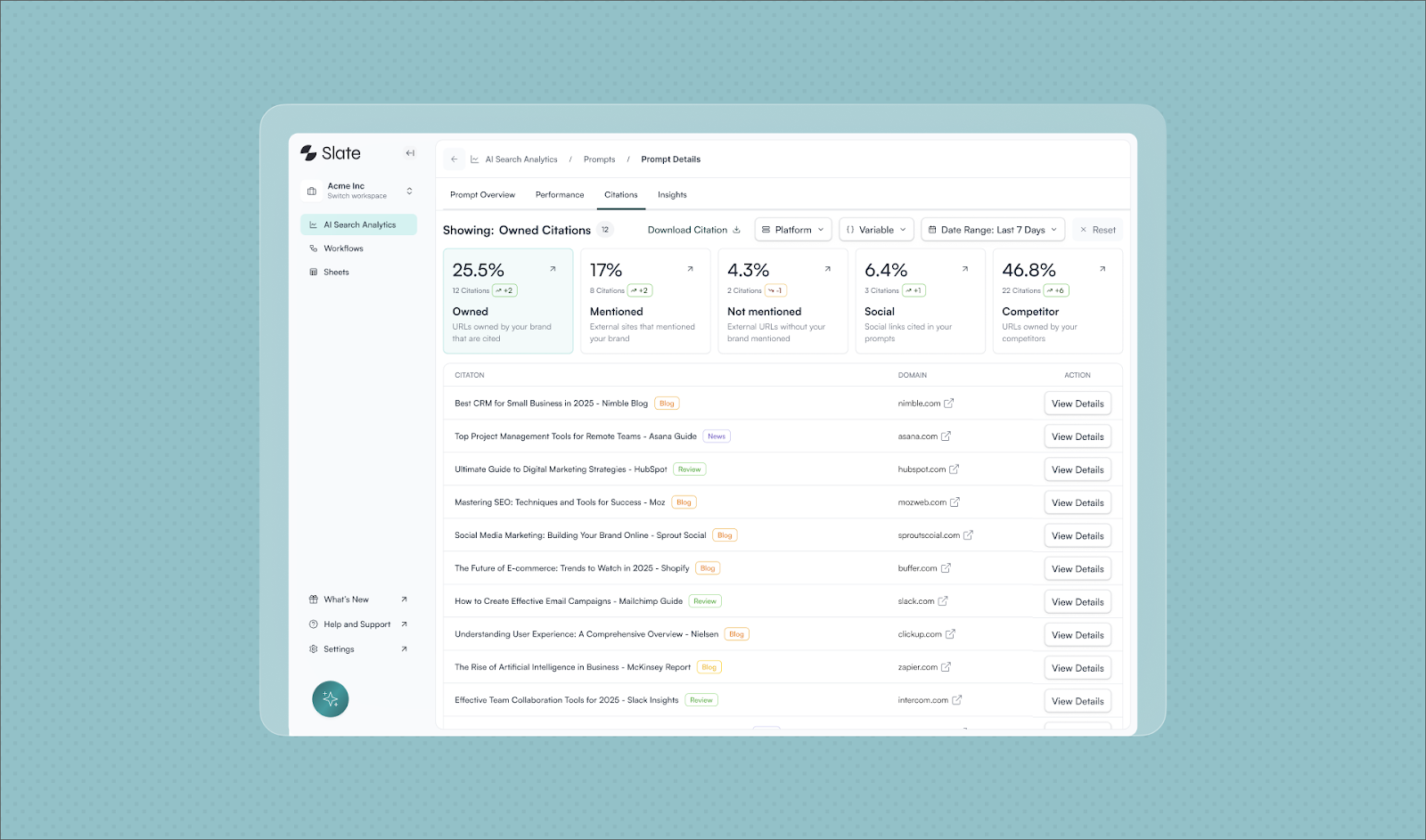
The newer challenge is multi-platform visibility. Your content might rank well on Google but be invisible to ChatGPT. Monitoring this requires specialized tools that track where your content appears in AI responses across platforms.
Slate's LLM Visibility Tracker handles this, showing where you're winning, where you're losing ground, and which competitors are getting cited instead.
AI Tools for Analytics and Performance
This is where most teams are still underinvested.
Machine learning interpretation of SEO data reveals patterns invisible to traditional analytics.
Slate, BrightEdge and Conductor use AI to identify content decay before it tanks your traffic, predict algorithm impacts, and surface optimization opportunities based on performance patterns.
The change is that you go from reactive to proactive: you fix problems before they become visible in your traffic reports.
As mentioned previously, tracking AI-driven traffic requires a custom GA4 setup. You need regex filters segmenting chat.openai.com and perplexity.com traffic to distinguish AI platform referrals from traditional search.
This helps you double down on what works and make your strategy for other platforms more aware.
The analytics layer is crucial because it closes the loop. You publish content, track where it gets cited, identify what's working, and feed those insights back into your content strategy.
Slate connects these pieces by pulling visibility data alongside content performance, so you're not jumping between dashboards trying to correlate signals manually.
What are Some AI SEO Best Practices?
- Use AI to assist, not replace strategy: Human insight remains irreplaceable for understanding business context, competitive dynamics, and brand differentiation.
- Prioritize accuracy and usefulness above all optimization tactics. AI systems increasingly validate information across sources and penalize inaccurate or misleading content.
- Optimize for humans first, AI second. Content that genuinely serves user needs naturally aligns with AI system preferences. AI optimization should enhance human utility, not compromise it for algorithmic gains.
- Maintain strong editorial standards. Despite the temptation to publish AI-generated content at scale, every piece of content should undergo human review for accuracy, brand alignment, and strategic value.
What are Common AI SEO Mistakes to Avoid?
- Publishing unreviewed AI-generated content: This ranks as the most damaging mistake in AI SEO. While AI assists in content creation, publishing without human review risks inaccuracies, brand misalignment, and generic content that fails to differentiate.
- Keyword stuffing via automation: This represents old-school thinking applied to new technology. AI systems understand context and penalize unnatural keyword usage even more harshly than traditional algorithms.
- Ignoring traditional SEO fundamentals: Only chasing AI optimization creates foundational weaknesses. Technical excellence, quality content, and user experience remain essential.
- Optimizing for tools instead of users: This reflects a misunderstanding of AI SEO goals. User-first optimization naturally aligns with AI system goals of providing helpful, accurate information.
What is the Future of AI SEO?
In 2026, traditional search volumes will only further decline as users increasingly rely on AI assistants, chatbots, and answer engines for information discovery. SEO, and SEO teams, must evolve from ranking optimization to visibility optimization.
Successful brands will see AI systems reference their content, and that too with accuracy. They’ll capture high-intent users within AI-mediated experiences.
This evolution demands new skills, tools, and strategies that blend technical SEO excellence with AI platform optimization.
The window for establishing an AI-first search presence remains open. But it won't last forever.
You can spend thousands of dollars breaking your head, hiring the wrong people, and purchasing the wrong tool to figure out AI SEO. Or you can try out Slate, which practically solves AI SEO in a way no other expert or tool can.
Our team will be happy to show you a demo - Book a slot here!
Frequently Asked Questions
1. Is AI SEO different from traditional SEO, or do I need both?
AI SEO builds on traditional SEO foundations but focuses on being cited by AI systems rather than ranking pages. You still need traditional SEO, but it’s no longer sufficient on its own.
2. How do AI systems like ChatGPT decide which sources to cite?
They prioritize content that demonstrates topical authority, clarity, factual accuracy, and consistent coverage across related concepts, not just keyword optimization.
3. Does AI SEO still drive traffic if users don’t click websites anymore?
Yes, but the value shifts from clicks to influence. AI citations often impact purchase decisions even when users don’t immediately visit your site.
4. Can small or new websites compete with established brands in AI search?
Yes. AI systems reward depth and clarity over legacy authority, allowing focused newcomers to outperform larger brands in specific topic areas.
5. How long does it take to see results from AI SEO efforts?
Initial visibility gains can appear within weeks, but building sustained AI authority typically takes several months of consistent, high-quality coverage.
6. What type of content performs best in AI-generated answers?
Content that answers questions directly, uses clear structure, provides examples, and avoids promotional language performs best across AI platforms.
7. Are keywords still relevant in AI SEO?
Keywords matter less in isolation, but intent, context, and semantic relationships between concepts matter significantly more.
8. How do I measure success if rankings and traffic are declining?
Success is measured through AI citations, brand mentions in AI answers, assisted conversions, and engagement from AI-driven referrals.
9. Can AI-generated content rank or get cited without human editing?
Rarely. AI systems cross-check accuracy and originality, so unreviewed or generic AI content is far less likely to be cited.
10. What’s the biggest mistake teams make when starting with AI SEO?
Treating it like keyword-based SEO at scale instead of building real topical authority and clear, user-first explanations.