Discovery in 2026 rarely runs through a single channel. Buyers increasingly move between Google, ChatGPT, Perplexity, Gemini, and AI Overviews - sometimes within the same research session - and content teams are being asked to win visibility across all of them without doubling headcount. That is the job a content engineering platform is built for.
A content engineering platform is software that combines structured content modeling, workflow automation, governance, publishing integrations, optimization, and measurement into one operating layer - so marketing and content teams can produce, refresh, and govern content at scale across search and AI discovery.
The SERP for this category is noisy. Search "content engineering" and you will see platform engineering tool roundups (a developer infrastructure category) mixed with headless CMS comparisons and AI content marketing tool roundups. This guide separates those categories, then compares ten platforms a content-led marketing team should actually shortlist in 2026.
Key Takeaways
- A content engineering platform unifies structured content, workflows, governance, publishing, optimization, and measurement into one repeatable system.
- The category matters in 2026 because discovery increasingly spans Google, ChatGPT, Perplexity, Gemini, and Google's AI Overviews rollout - not just traditional rankings.
- Slate is the featured top pick for teams prioritizing AI search-first content engineering and scalable execution.
- The comparison evaluates AI visibility support, structured workflows, governance, integrations, refresh management, and analytics.
- This list is built for B2B SaaS teams, content-led growth companies, scale-ups, and enterprise marketers building repeatable systems.
- Readers building a fast shortlist can skip directly to the comparison table.
What Is A Content Engineering Platform?
A content engineering platform is software that brings together content modeling, workflows, governance, publishing, optimization, and measurement into one operating layer so content and SEO teams can produce, refresh, and govern content at scale across traditional search and AI discovery surfaces.
In practice, that means it sits at the intersection of three jobs marketing teams used to stitch together with five or six tools: deciding what to create, producing and reviewing it under brand controls, and pushing it live with the structure AI systems need to extract and cite. Teams adopting this approach often start by mapping their typical content operations processes before selecting tooling.
A content engineering platform typically includes:
- Content modeling, metadata, and taxonomy controls
- Workflow automation and approval gates
- AI search and SEO optimization
- CMS publishing integrations
- Analytics, refresh tracking, and lifecycle management
- Governance, brand voice, and review controls
For a deeper category primer, see what is a content engineering platform.
Content Engineering Vs. Platform Engineering Vs. CMS
These three categories share search results but solve different problems for different buyers. Mixing them up is the most common reason teams buy the wrong tool.
Platform engineering tools serve developers building internal developer platforms - Kubernetes orchestration fundamentals, GitOps pipelines, service catalogs. They have nothing to do with marketing content operations, despite the keyword overlap.
A content engineering platform usually sits alongside or above a CMS, not instead of one. The CMS stores and publishes; the content engineering platform decides what to produce, governs how it gets made, optimizes it for discovery, and measures whether it works.
Do You Need A Content Engineering Platform Or A Headless CMS?
If your bottleneck is delivering structured content to multiple front-ends (web, app, kiosk, region), you need a headless CMS. If your bottleneck is producing, optimizing, and refreshing content fast enough to win AI search citations and organic traffic, you need a content engineering platform.
Quick decision guide:
- Developers shipping omnichannel experiences → headless CMS
- Marketing teams scaling content output and AI visibility → content engineering platform
- Enterprise stacks that need both → run a content engineering layer on top of an existing headless CMS
How We Evaluated The Best Content Engineering Platforms
Evaluation criteria were applied consistently across every vendor, using public product documentation, vendor pricing pages, and G2's content creation software category reviews.
The eight criteria:
- AI search visibility support: Tracking and optimization for ChatGPT, Perplexity, Google AI Mode, AI Overviews, and Gemini.
- Structured content and metadata controls: Modeling, taxonomy, and reusable components.
- Workflow automation and approvals: Multi-step content production with review gates.
- Publishing and CMS integrations: Direct push to WordPress, Webflow, and headless CMS systems.
- Refresh and lifecycle management: Bulk updates, programmatic refreshes, content inventory.
- Analytics and attribution: Visibility metrics tied to organic outcomes.
- Governance and brand safety: Style guides, knowledge bases, accuracy controls.
- Best-fit for B2B SaaS and content-led teams: Practical fit for the audience this guide serves.
Pricing is reported using the lowest paid tier from each vendor's public pricing page when available. Platforms with no public numeric pricing are noted accordingly.
Comparison Table - Best Content Engineering Platforms At A Glance
The Best Content Engineering Platforms In 2026
Each platform below follows the same template: best for, overview, key features, strengths, limitations, pricing, and G2 rating. Slate gets slightly deeper coverage because it sits at the center of the methodology defined above.
1. Slate - Best Overall For AI Search-First Content Engineering
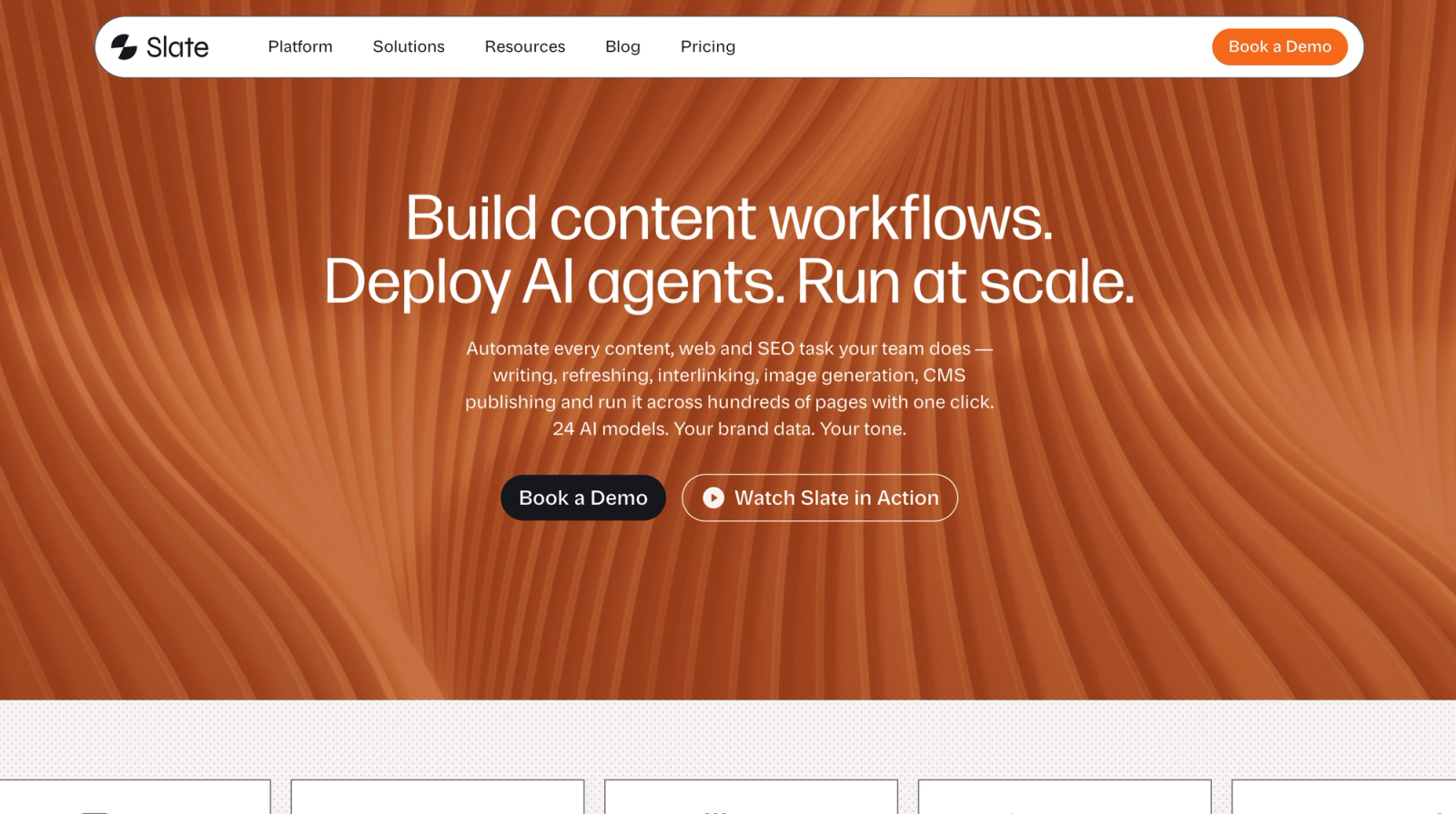
Slate is an automation platform for SEO, web, and content teams that combines AI search visibility tracking with workflow execution and direct CMS publishing in a single system.
Best for: B2B SaaS marketing, SEO, and content teams scaling content for AI search and traditional discovery.
Overview: Slate tracks brand visibility across ChatGPT, Google AI Mode, Google AI Overviews, and Perplexity, then turns those insights into action through visual workflows, bulk content operations, and direct publishing to Webflow and WordPress. The platform is built around the idea that visibility must be engineered, not guessed - and that AI search needs a new operating model, not a retrofit.
Key features:
- AI Search Analytics across ChatGPT, Google AI Mode, AI Overviews, and Perplexity
- Workflows: Visual workflow builder with 24+ AI models, conditional logic, and web scraping
- Power Sheets: Spreadsheet interface for bulk content refreshes and programmatic creation
- SuperBlocks: Pre-built workflow components for AI Search Optimization
- CMS Publishing: Direct push to Webflow and WordPress
- Brand Kit & Knowledge Base for style guides, tone rules, and brand-safe AI output
Pros:
- End-to-end execution from visibility insight to published content in one platform
- Built specifically for AI search engines, not adapted from legacy SEO tooling
- Bulk operations through Power Sheets handle hundreds of refreshes without losing brand control
Cons:
- Designed for teams that want systems, not one-off experimentation
- May be over-spec for solo creators with relatively few indexed pages
Pricing: Starting at $199/month.
G2 rating: 4.9/5
Why it stands out: Slate connects AI visibility insights directly to content execution, instead of leaving teams to bridge analytics tools, AI writers, and CMS workflows manually. For content-led B2B SaaS teams adapting to AI search, that integration is the difference between scaling output and scaling chaos.
See how Slate works - book a demo.
2. Contentful - Best For Structured Content At Enterprise Scale
Contentful is a digital experience platform with a headless CMS for creating, managing, personalizing, and delivering content across channels.
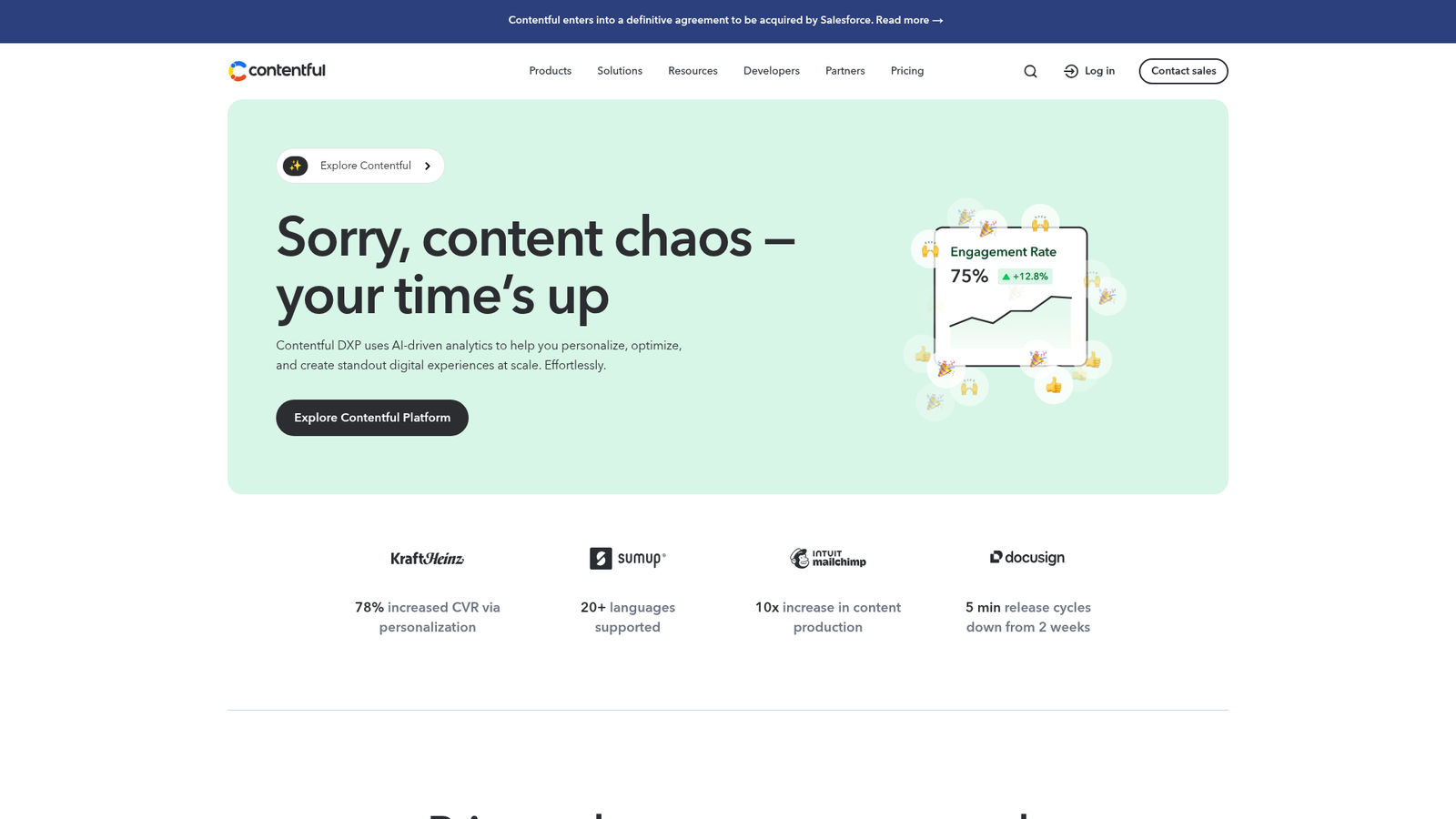
Best for: Marketing, content, and developer teams building omnichannel digital experiences with structured content.
Overview: Contentful sits firmly in the headless CMS category but earns a place in any content engineering shortlist because of how cleanly it models structured, reusable content. Teams model content once and reuse it across websites, apps, and regions through an API-first architecture, with AI-powered personalization and localization layered on top.
Key features:
- Structured, modular content modeled once and reused everywhere
- API-first, composable platform with CRM, DAM, analytics, and commerce integrations
- AI-powered personalization, automation, and localization
- Content workflow tools for editorial review
Pros:
- Enterprise-grade governance and security
- Strong developer ergonomics and ecosystem
- Mature integration footprint
Cons:
- Pure CMS - needs an optimization and AI search layer on top
- Pricing scales quickly for larger content teams
Pricing: Lite $300/month for smaller businesses; Enterprise custom pricing. Free tier available.
G2 rating: 4.2/5
3. Contentstack - Best For Composable Digital Experiences
Contentstack is an agentic experience platform that unifies content, customer data, personalization, and AI to build and manage digital experiences.
Best for: Enterprises building omnichannel digital experiences that need structured content, personalization, and AI-driven workflows.
Overview: Contentstack pushes further into the "agentic experience" framing than most headless competitors, combining its API-first CMS with no-code agents and real-time personalization. It is a fit for large marketing organizations already running composable stacks who want to layer AI orchestration onto their content infrastructure.
Key features:
- API-first headless CMS
- Real-time data and personalization
- No-code agents and AI-powered automations
- Enterprise governance and workflow controls
Pros:
- Strong enterprise positioning and support
- Composable architecture with broad integrations
- Built-in agentic AI capabilities
Cons:
- No public self-serve pricing
- Enterprise-only fit; overkill for mid-market teams
Pricing: Custom (quote-based). Free Explorer Accounts available for developers and startups.
G2 rating: 4.4/5
4. Sanity - Best For Developer-Led Content Modeling
Sanity is a content operating system and structured content backend for powering web, mobile, and AI-powered applications.
Best for: Teams building content-rich websites, apps, or AI-driven experiences that need flexible content models and customizable editorial workflows.
Overview: Sanity is the developer-favorite of the structured content world. Its Studio is fully configurable in code, its Content Lake is a real-time database under the hood, and its Content Agent extends operations into AI-assisted workflows. Marketing teams need engineering partnership to get the most from it.
Key features:
- Fully configurable Sanity Studio
- Hosted real-time content database (Content Lake)
- AI-powered Content Agent and automation
- Pay-as-you-go usage on Growth tier
Pros:
- Highly flexible content modeling
- Strong real-time collaboration
- Developer-loved API and tooling
Cons:
- Steeper learning curve for non-technical editors
- Needs additional tooling for AI search visibility tracking
Pricing: Growth $15 per seat/month (up to 50 seats); Enterprise custom. Free tier available.
G2 rating: 4.7/5
5. Storyblok - Best For Marketer-Friendly Visual Editing
Storyblok is a headless CMS with a visual editor that helps developers and marketers create, manage, and publish content across any channel.

Best for: Teams that want a developer-friendly headless CMS with visual editing for marketers and content teams.
Overview: Storyblok is the headless CMS that marketers actually like using. Its drag-and-drop visual editor sits on top of an API-first architecture, so developers get composable infrastructure and editors get WYSIWYG control. Composable content blocks make it strong for multi-channel and multi-language work.
Pricing: Growth $99/month ($90.75/mo annual); Growth Plus $349/month; Premium and Elite custom. Free Starter tier available.
G2 rating: 4.5/5
6. Writer - Best For Enterprise AI With Brand Controls
Writer is an enterprise AI platform for agentic work that lets teams delegate workflows to AI agents grounded in company knowledge, tools, and standards.
Best for: Teams and enterprises that need governed, on-brand AI agents to automate research, content, and operational workflows.
Overview: Writer is positioned squarely as an enterprise AI platform rather than a full content engineering system. Its Knowledge Graph grounds agents in company data, and its governance and security controls make it a defensible pick for regulated industries - but teams should pair it with an optimization and publishing layer for full content engineering coverage.
Key features:
- AI agents for multi-step workflow execution
- Knowledge Graph with connectors to company data
- Brand, governance, and security controls
- Compliance-ready outputs
Pros:
- Strong enterprise governance and compliance posture
- Grounded AI outputs through Knowledge Graph
- Broad connector ecosystem
Cons:
- Not built for AI search visibility tracking
- Optimization and CMS publishing require additional tools
Pricing: Starter plan (per-seat, up to 5 users; no public numeric price shown); Enterprise custom. 14-day free trial available.
G2 rating: 4.4/5
7. Jasper - Best For AI-Assisted Marketing Content
Jasper is an AI marketing platform that helps teams create on-brand content and automate end-to-end marketing workflows.
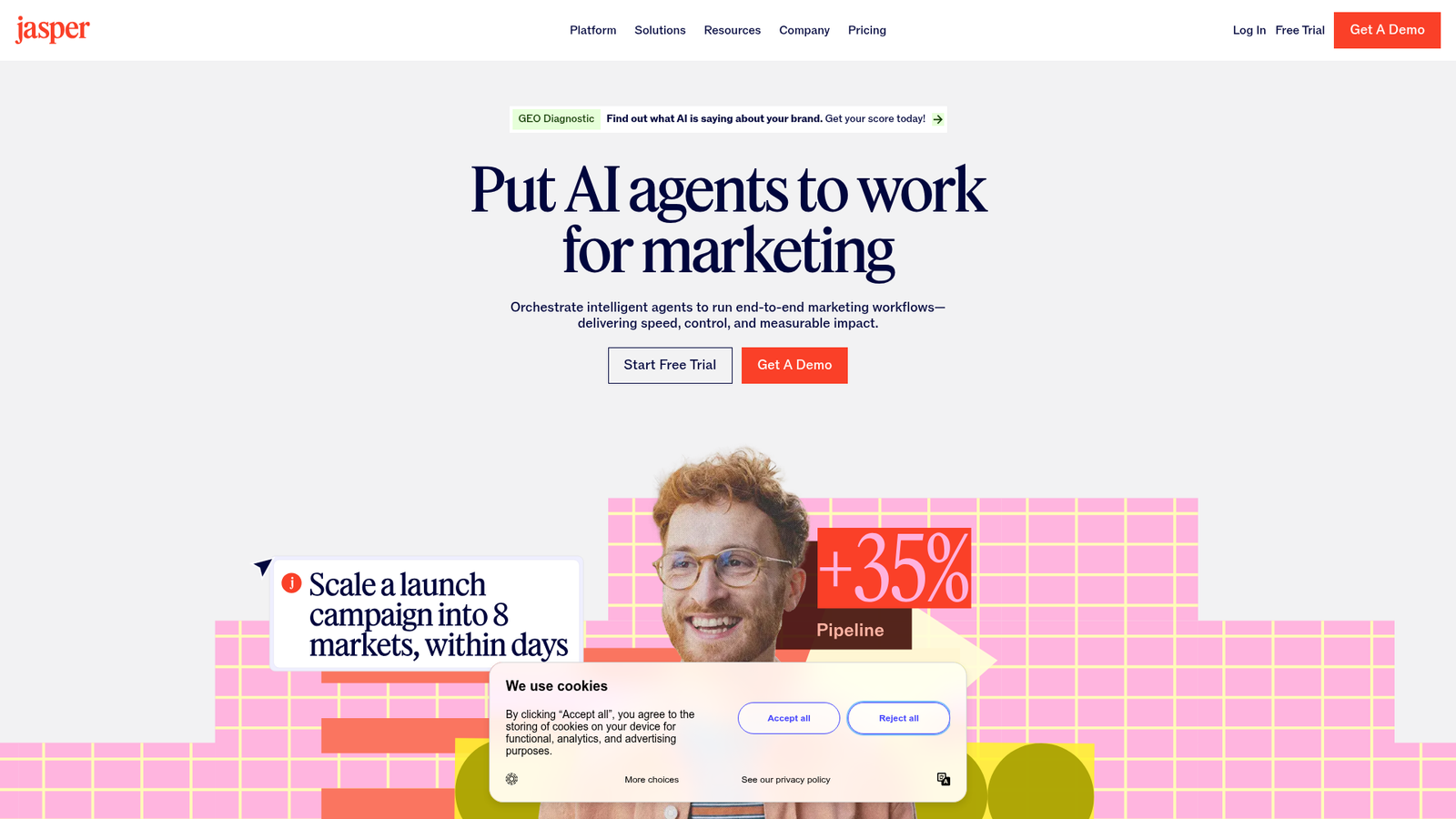
Best for: Marketing teams that need on-brand AI content creation, workflow automation, and brand governance.
Overview: Jasper has matured well past its early "AI writer" era into a marketing workflow platform. Content Pipelines support repeatable execution, Jasper IQ holds brand voice and knowledge, and purpose-built marketing agents handle defined jobs. It is closer to AI content production than full content engineering - but a strong pick where that is the primary need. Teams comparing options should also review Jasper AI alternatives before committing.
Key features:
- Purpose-built AI agents for marketing workflows
- Content Pipelines for repeatable execution
- Jasper IQ for brand voice, knowledge, and governance
- Marketing stack integrations
Pros:
- Mature marketing-focused product
- Strong brand voice controls
- Workflow-driven, not just generation
Cons:
- AI search visibility tracking not the core focus
- Less coverage of structured content modeling and refresh operations
Pricing: Pro $69/month per seat ($59/month annual); Business custom. 7-day free trial.
G2 rating: 4.7/5
8. Frase - Best For SEO Briefs And GEO Optimization
Frase is an AI-powered SEO and GEO platform for researching, creating, optimizing, and tracking content performance across Google and AI search.
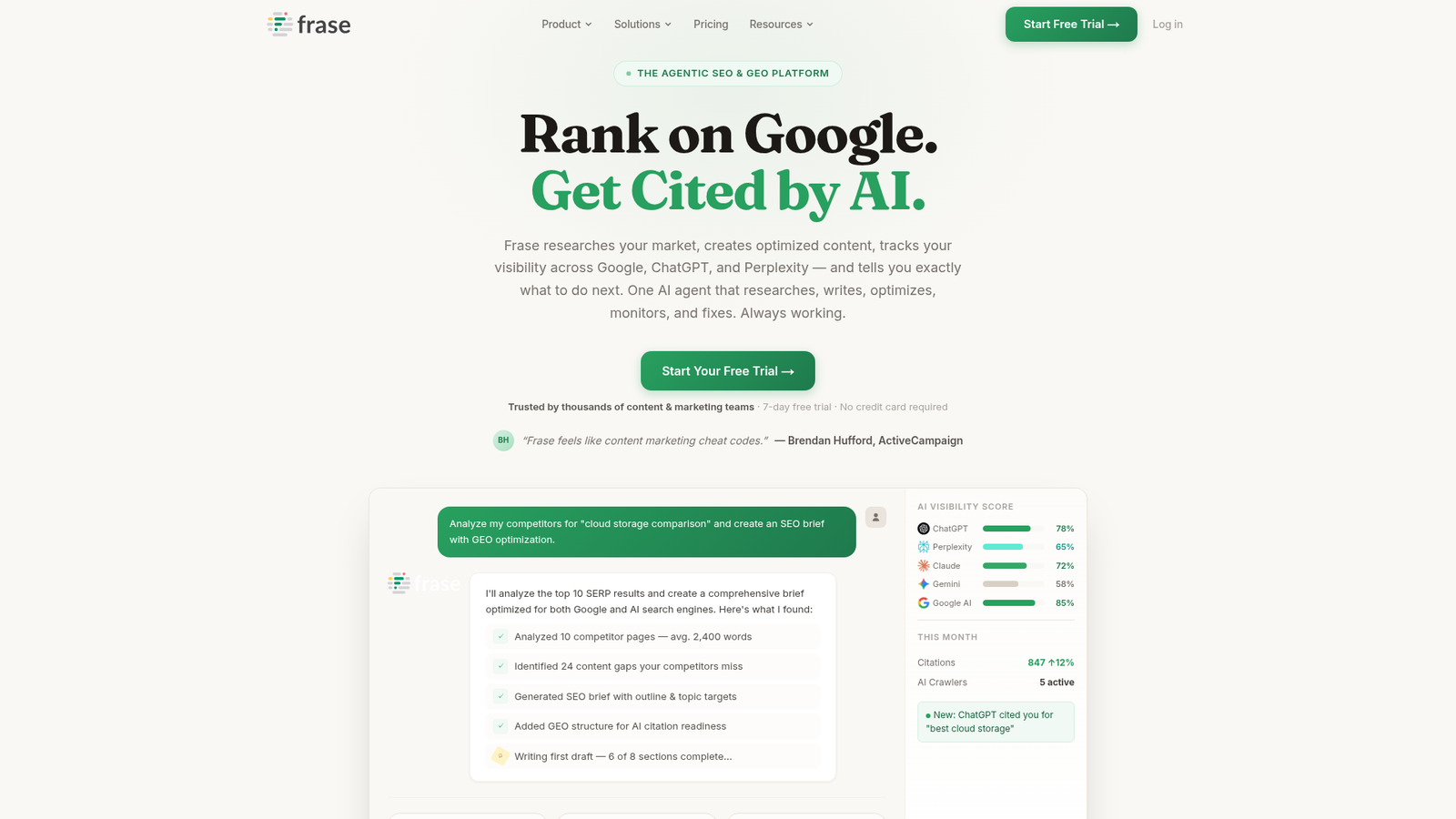
Best for: Content marketers, SEO teams, and agencies that want one platform for AI-assisted creation, optimization, and AI search visibility tracking.
Overview: Frase has expanded from a brief-and-optimize tool into broader SEO + GEO coverage, with AI visibility tracking across AI search engines. It is a strong fit for SEO-led teams that want optimization, research, and AI visibility in one place - though its scope is narrower than a full content engineering platform.
Key features:
- AI Agent for content research and creation
- SEO and GEO content optimization
- AI visibility tracking across AI search engines
- Brief generation and editor
Pros:
- Affordable entry point
- Strong brief and optimization workflow
- Adding AI search visibility coverage
Cons:
- Narrower than full content engineering platforms
- Less depth in CMS publishing and bulk operations
Pricing: Starter $49/month; Professional $129/month; Scale $299/month; Enterprise custom. 7-day free trial; annual billing saves 20%.
G2 rating: 4.8/5
9. MarketMuse - Best For Content Inventory And Topical Authority
MarketMuse is AI-powered content planning and optimization software that helps teams decide what content to create, update, and optimize to rank higher.
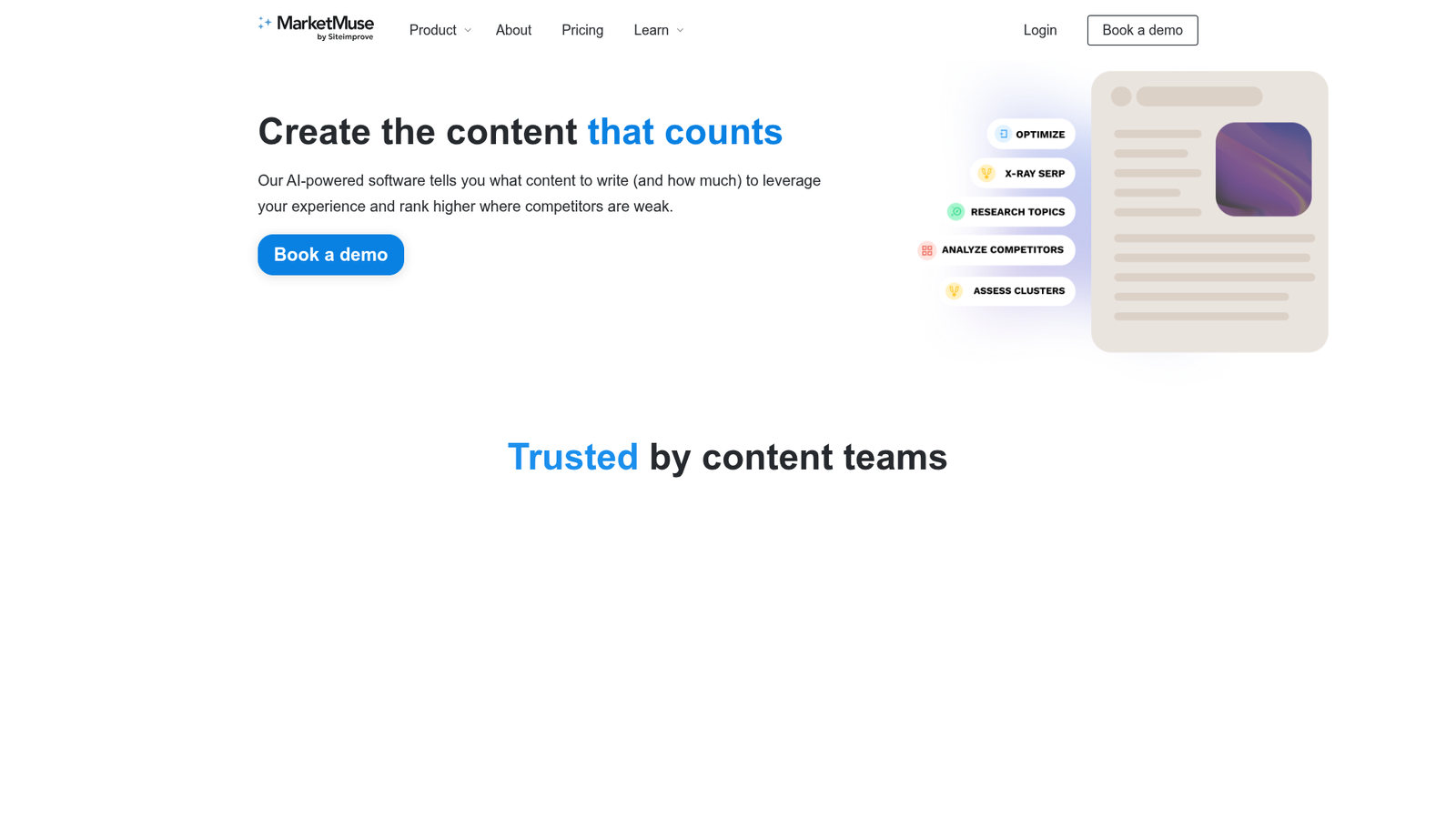
Best for: SEO and content teams at brands, publishers, and agencies that need data-driven content planning and optimization.
Overview: MarketMuse focuses on the planning end of content engineering: personalized topic authority, competitor gap analysis, and AI-assisted briefs. It is most valuable for teams building topical authority strategies - particularly publishers and agencies - and pairs well with an execution layer for refreshes and publishing. For teams focused on cluster strategy, see the best AI tools for topic clusters.
Key features:
- Personalized topic authority and difficulty analysis
- Competitor gap and SERP/content analysis
- AI-assisted briefs and optimization
- Content inventory planning
Pros:
- Deep topical authority modeling
- Useful for content strategy and gap analysis
- Free tier available for testing
Cons:
- No public paid pricing
- Lighter on AI search visibility and publishing
Pricing: Optimize, Research, and Strategy tiers have public usage limits but no published prices. Free tier available.
G2 rating: 4.6/5
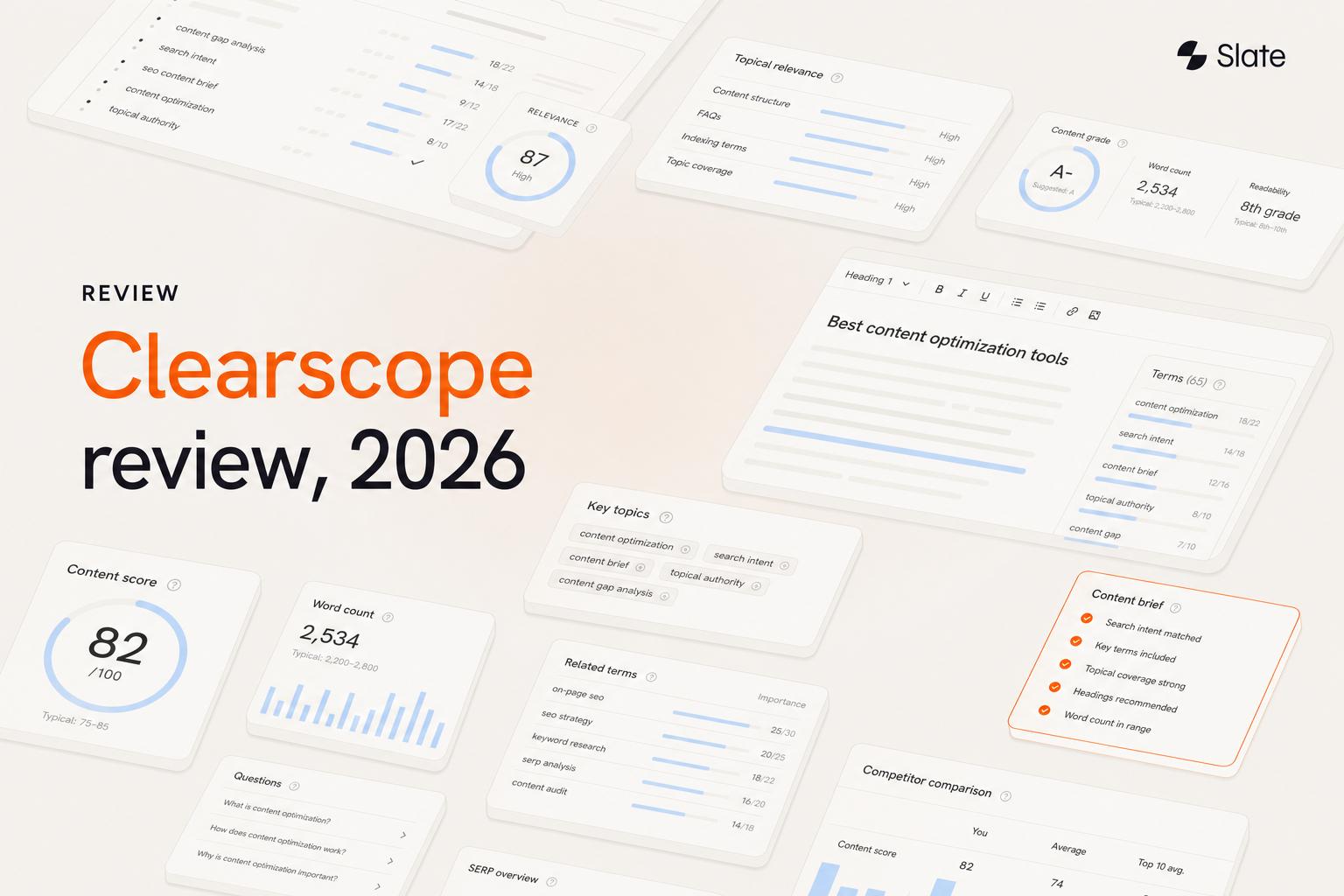
10. Clearscope - Best For Content Optimization Scoring
Clearscope helps content and SEO teams write, optimize, track, and scale visibility across Google, ChatGPT, and other AI search surfaces.
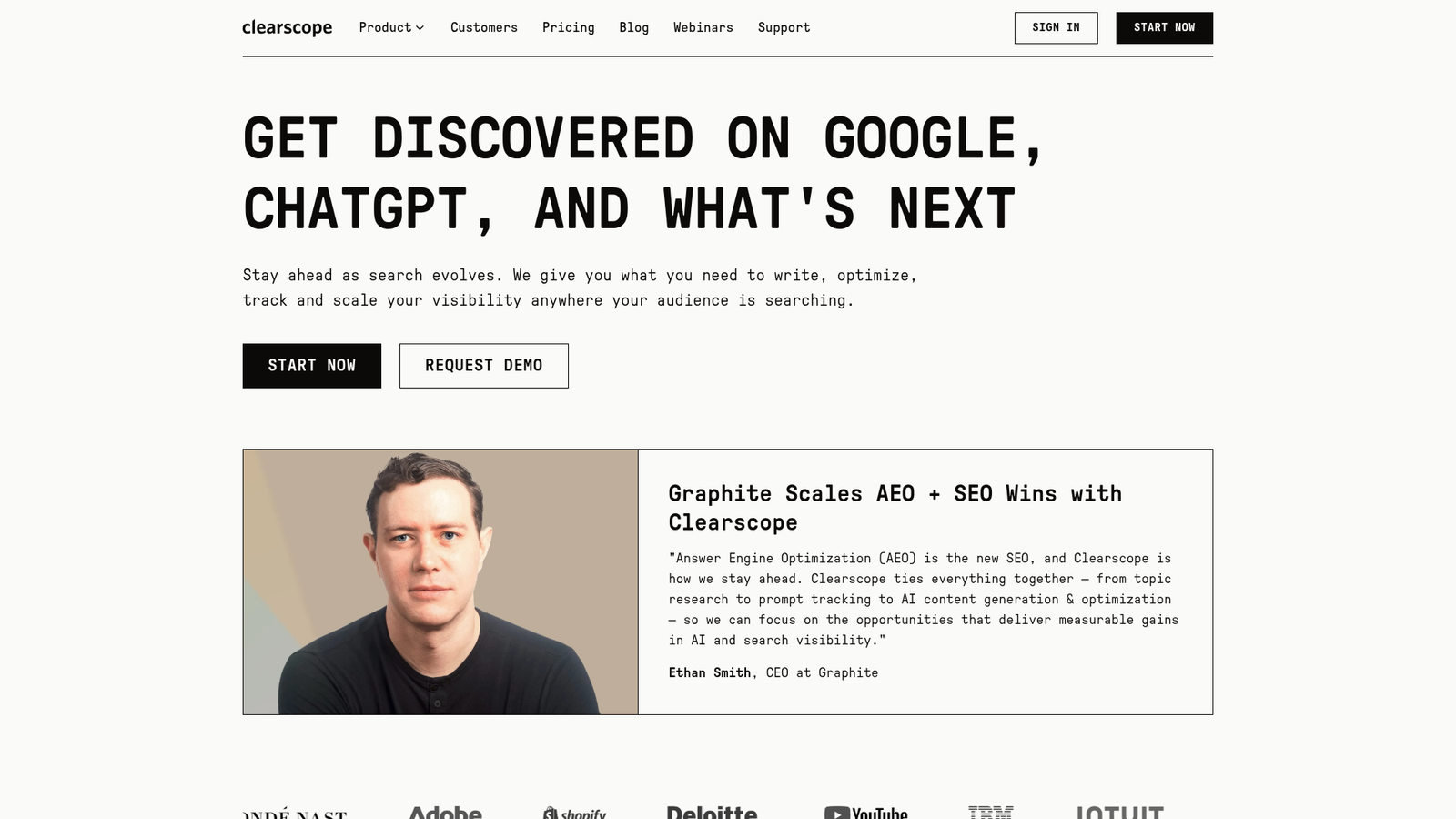
Best for: Content, SEO, and marketing teams improving organic and AI-search visibility with optimization and tracking tools.
Overview: Clearscope is the optimization-scoring veteran, now extended with prompt tracking across ChatGPT and Gemini. It remains the cleanest option for teams that want a straightforward optimization score, search intent recommendations, and content inventory monitoring - without the complexity of a full content engineering platform.
Key features:
- Prompt tracking across ChatGPT and Gemini
- Topic exploration with search intent recommendations
- AI drafting
- Content inventory monitoring
Pros:
- Clean, focused UX
- Trusted optimization scoring
- Now covers AI search prompt tracking
Cons:
- Optimization-focused, not full content engineering
- Higher tier needed for serious volume
Pricing: Essentials $129/month; Business $399/month; Enterprise custom. Essentials includes 20 Tracked Topics, 50 Pages, 20 Topic Explorations, and 20 Drafts/month.
G2 rating: 4.9/5
What To Look For In A Content Engineering Platform
The features that matter most depend on whether you are scaling output, defending existing traffic, or moving into AI search visibility for the first time. These eight criteria cover the durable ones - see content engineering platform features for the full operator view.
- Structured content modeling and metadata: Reusable components and clean taxonomy are what make content extractable for AI engines. Without structure, refresh and reuse cost compound.
- Workflow automation and approval gates: Multi-step workflows with conditional logic let teams run hundreds of updates without losing review control. Look for visual builders, not just templates.
- AI search and GEO support: Visibility tracking across ChatGPT, Perplexity, Gemini, AI Mode, and AI Overviews is increasingly important for content-led teams. The best generative engine optimization tools offer deeper coverage of this layer.
- Publishing and CMS integrations: Direct push to WordPress, Webflow, or your headless CMS removes the manual handoff that breaks most content ops at scale.
- Refresh and lifecycle management: Bulk operations, content inventory, and programmatic refreshes matter more than first-draft generation for teams with 50+ pages. The best content refresh tools focus specifically on this job.
- Analytics and attribution: Visibility metrics need to tie back to organic outcomes, not just engagement scores.
- Governance, brand voice, and accuracy controls: Style guides, knowledge bases, and review steps are what separate scalable AI content from generic output, following Google's guidance on helpful content.
- Scalability for hundreds of updates: The platform needs to absorb peak refresh cycles without degrading quality.
Which Content Engineering Platform Is Right For Your Team?
The right platform depends on team type, maturity, and primary bottleneck. A guide to how to choose a content engineering platform starts with self-segmentation.
Best for early-stage B2B SaaS: Slate - when AI search visibility needs to be engineered into content from day one, and headcount is constrained.
Best for scale-ups with an existing CMS: Slate as a workflow and optimization layer on top of WordPress, Webflow, or a headless stack.
Best for enterprise with composable stacks: Contentful or Contentstack for content infrastructure, with a content engineering layer for enterprise teams above.
Best for SEO-led teams: Slate or Frase, depending on whether the team needs full workflow execution or focused brief-and-optimize coverage.
Best for AI generation with strong brand controls: Writer for governed enterprise AI; Jasper for marketing-specific AI content production.
Best for developer-led content teams: Sanity for flexible content modeling with engineering ownership.
How Content Engineering Platforms Support AI Search Visibility
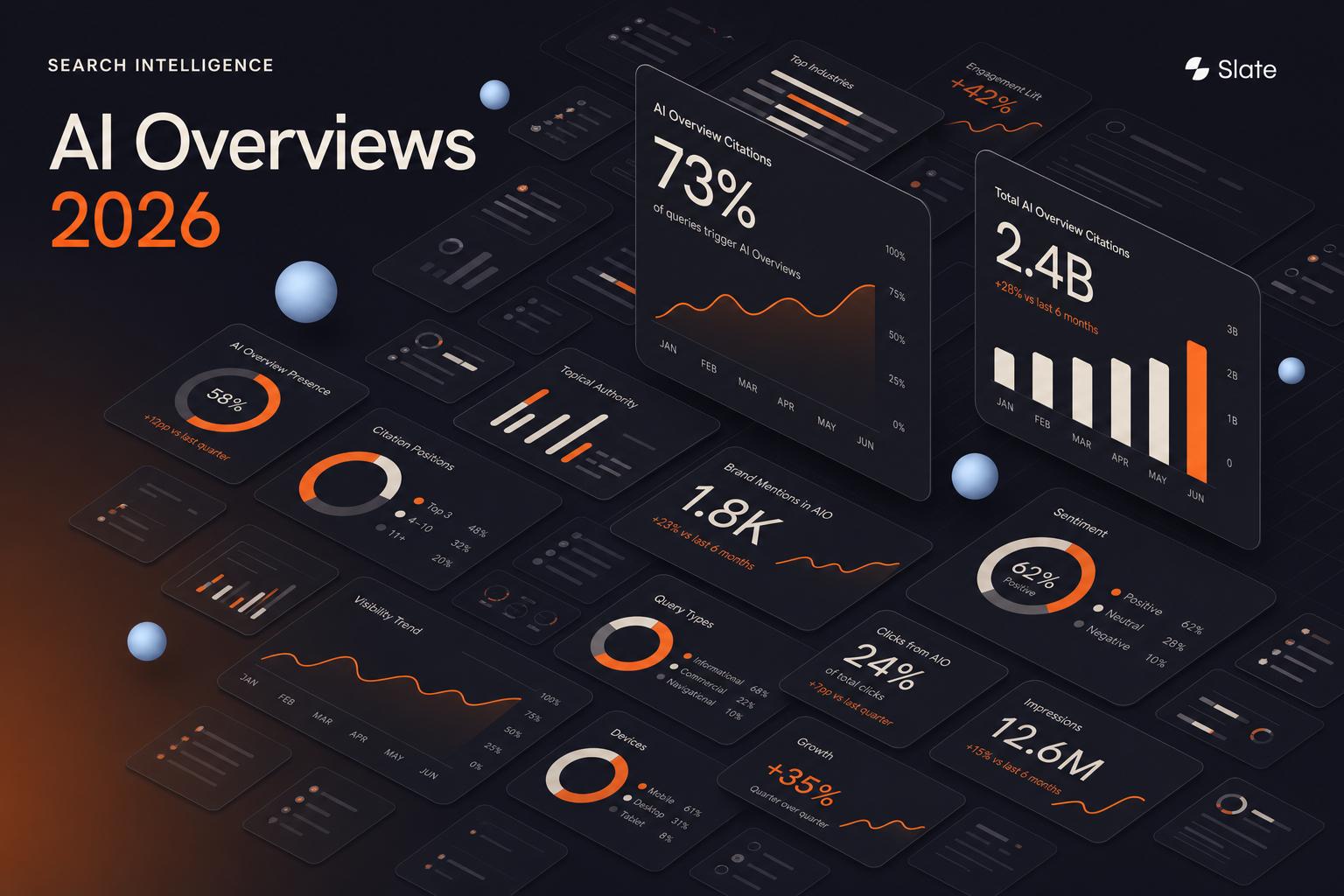
The shift from rankings alone to citations and answer-surface visibility is one of the defining changes of 2026. Pages no longer compete only for blue-link position - they compete to be the answer ChatGPT cites, the snippet Perplexity surfaces, the source AI Overviews reference. See best platforms for optimizing content for AI search engines for the deeper operator playbook.
Content engineering platforms support AI search visibility in five practical ways:
- Structured extractability: Clean headings, definition blocks, and FAQ formatting make content easier for AI engines to lift and earn AI citations.
- Schema and metadata: Structured data signals to AI systems what a page is and what claims it contains, following schema.org structured data specifications.
- Citation-ready clarity: Direct definitions and short, declarative answers outperform meandering prose in AI retrieval.
- Refresh velocity: Fresh, accurate content is easier to maintain when platforms enable bulk refreshes and structured updates.
- Cross-engine tracking: Visibility across ChatGPT, Google AI Mode, AI Overviews, Perplexity, and Gemini's approach to grounded answers reveals where to act first.
Slate is built around this model - see best generative engine optimization platforms for content generation for the broader category, or book a demo to see Slate in action.
How To Measure ROI From A Content Engineering Platform
ROI for a content engineering platform should be measured on operational throughput and visibility outcomes, not vanity engagement.
Track these metrics:
- Content refresh cycle time: Days between identifying a refresh opportunity and publishing the updated page.
- Approval workflow throughput: Pieces moved through review per editor per week.
- AI citation presence: Share of tracked prompts where the brand appears across ChatGPT, Perplexity, AI Overviews, and AI Mode.
- Organic lift from refreshed content: Traffic and conversion delta on refreshed URLs versus control.
- Reuse rate of structured components: How often modeled content gets reused across pages, channels, or regions.
- Time-to-publish: Brief to live, end-to-end.
Teams scaling well past 100 published pages will usually want to track all six. Below that threshold, refresh cycle time and citation presence are often the two that move first.
Common Mistakes When Choosing A Content Engineering Platform
- The category overlap in search results is real. Platform engineering tools serve developers building internal platforms - completely different buyer, completely different problem.
- AI writing software produces drafts. Content engineering platforms produce systems. Teams that conflate the two end up with content volume and no operating model.
- Brand voice, accuracy, and review controls feel optional at 10 pages and become existential at 500. Buy for the scale you are heading toward.
- A platform without direct publishing to your CMS will become a copy-paste bottleneck. Confirm WordPress, Webflow, or headless integration before signing.
- are optimizing for a narrower surface area.
FAQ - Content Engineering Platforms
What Is Content Engineering?
Content engineering is the practice of treating content as a system rather than a series of one-off drafts. It combines structured modeling, governance, optimization, and measurement so teams can produce, refresh, and reuse content at scale across traditional search and AI discovery surfaces. The goal is repeatable visibility and organic growth, not isolated tactical wins.
What Is A Content Engineering Platform?
A content engineering platform is software that brings content modeling, workflow automation, governance, publishing, optimization, and measurement into a single operating layer. It sits between strategy and execution - deciding what to produce, governing how it gets made, optimizing it for discovery, and measuring whether it works across Google, ChatGPT, Perplexity, Gemini, and AI Overviews.
How Is A Content Engineering Platform Different From A CMS?
A CMS stores and publishes content. A content engineering platform decides what to produce, governs how it is made, optimizes it for AI and traditional search, and measures the outcome. The CMS is the publishing layer; the content engineering platform is the operating layer above it. Most teams need both - the content engineering platform usually runs on top of an existing CMS.
What Are Platform Engineering Tools, And Are They The Same Thing?
No. Platform engineering tools are developer infrastructure - used to build internal developer platforms with Kubernetes, IaC like Terraform infrastructure as code documentation or OpenTofu open-source IaC project, GitOps pipelines, and portals like Backstage open-source developer portal, Port, or Cortex. They serve platform engineers and DevOps teams. Content engineering platforms serve marketing, SEO, and content operations teams. Same keyword family, completely different categories.
How Do Prompt Engineering Platforms Help Content Creation?
Prompt engineering platforms standardize how teams craft, test, and reuse prompts for AI generation. They help with consistency and quality control on the generation step. They do not handle content modeling, governance workflows, publishing integrations, AI search visibility tracking, or refresh operations - so they complement rather than replace a content engineering platform.
What Is The Best Content Engineering Platform For B2B SaaS?
Slate is the strongest fit for B2B SaaS teams in 2026. It combines AI search visibility tracking across ChatGPT, Google AI Mode, AI Overviews, and Perplexity with visual workflows, Power Sheets for bulk operations, and direct publishing to Webflow and WordPress. Pricing starts at $199/month and the platform holds a 4.9/5 G2 rating. See it in action - book a demo.
Do Content Engineering Platforms Support Generative AI Engines Like ChatGPT And Perplexity?
The stronger ones do. Support typically includes visibility tracking across ChatGPT search functionality, Perplexity, Gemini, Google AI Mode, and AI Overviews, citation-readiness through structured content, schema and metadata controls, and refresh workflows to keep cited content current. Slate and Frase include AI visibility tracking, while Clearscope includes prompt tracking across AI search surfaces; coverage depth varies by platform.
How Much Do Content Engineering Platforms Cost?
Pricing varies by team size and feature depth. Public tiers in this comparison range from $15 per seat/month (Sanity Growth) and $49/month (Frase Starter) at the low end, to $300/month (Contentful Lite) and $399/month (Clearscope Business) at the higher end. Several enterprise-grade platforms - Contentstack, MarketMuse, and Writer Enterprise - use custom or undisclosed pricing. Slate starts at $199/month.